


Best fur-lined leather boots for winter: what to compare before you buy
Fur-lined leather boots range from heritage work boots to studded Scandinavian city boots and factory-direct pairs. This guide shows what to check in the lining, the upper, the sole and the temperature rating, and which kind of maker suits which winter.

In short
Compare fur-lined leather boots by five things: the lining (sheepskin, natural fur, faux fur, synthetic insulation or wool), the upper (smooth leather wipes clean of salt, nubuck needs spray), the sole and grip, the construction and how the temperature rating was set. Heritage welted boots last and can be resoled, insulated outdoor boots suit deep snow, studded boots suit ice. Babylon makes fur-lined leather and nubuck boots for city winters, under $200 including shipping.
Disclosure. This guide is written by Babylon, a shoe factory that makes some of the boots discussed. We list other makers where they fit a need better, and every fact about them was checked on their own websites in October 2026.
What should you compare in fur-lined leather boots?
Compare five things: the lining, the upper, the sole, the construction and the temperature rating. The brand name and the word "winter" in the title tell you much less. A buyer can check all five on a product page in a couple of minutes, before paying.
Our checklist, in the order we would read a page:
- Lining line in the composition. Does it say sheepskin, natural fur, faux fur, a named insulation or wool? A page that only says "warm lining" is not telling you enough.
- Insole. A fur- or wool-covered insole adds warmth from below, where much of the heat is lost.
- Upper. Smooth leather, nubuck or suede, and whether the maker claims it is waterproof or only water-repellent.
- Sole. Material, tread depth and whether there are studs. Look at a photo of the bottom.
- Construction. Welted, stitched or cemented — if the maker states it at all.
- Temperature or insulation figure. Who set it and for what activity.
- Fit notes and size table. Foot length in centimetres, plus any "runs large" or "snug" note.
If you are new to the terms, our explainer "Shearling vs sheepskin boots" covers how double-face sheepskin differs from a leather boot with a fur lining. For a deep look at sheepskin boots themselves, see "Best sheepskin boots".
Which lining is warmest: sheepskin, fur, faux fur, insulation or wool?
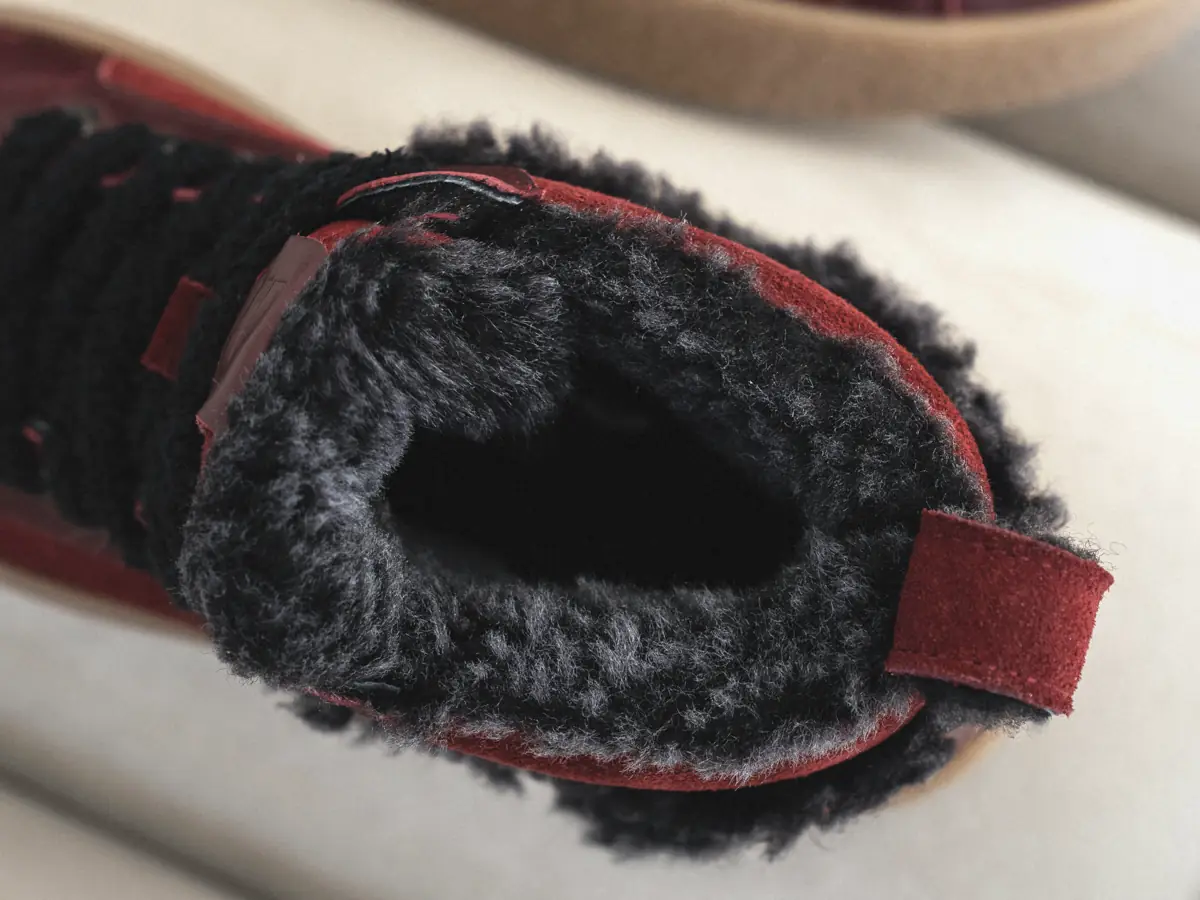
Natural sheepskin and dense natural fur feel warmest in dry city cold, because the fibres hold still air and take up foot moisture. Synthetic insulation is thinner and copes better with damp. Faux fur looks warm but handles sweat worst. Wool is a quiet all-rounder, often used in insoles and liners.
| Lining | Warmth in dry cold | Breathability | Bulk | Care | Typical in |
|---|---|---|---|---|---|
| Natural sheepskin | High | Good: wool absorbs moisture | Thick | Air out, brush the fleece | Shearling-lined leather boots |
| Natural fur | High, depends on density | Good | Thick | Air out, keep from radiators | Fur-lined nubuck and leather boots |
| Faux fur / pile | Medium | Weak: moisture stays in the sock | Medium | Pile can mat | Budget fashion boots |
| Synthetic insulation (e.g. Winterfrost 500, PrimaLoft, Thinsulate) | Medium to high per thickness | Depends on the lining over it | Thin | No special care | Insulated outdoor and city boots |
| Wool or felt liner | High | Good | Thick, often removable | Dry the liner separately | Snow boots, felt boots |
Real examples from makers' pages: Blundstone's Thermal #566 combines Thinsulate insulation with a sheepswool-lined footbed. Timberland's Premium 6-Inch Waterproof Boot lists 400 grams of PrimaLoft insulation. Sorel's Caribou has a removable 9 mm inner boot. At Babylon, Glori-19 and Verona-91 list genuine fur as the lining, and Armor-24 can have Winterfrost 500 insulation between the upper and the lining instead of a Respira leather lining.
If you are weighing a low winter sneaker instead of a boot, the same lining logic applies; see "Fur-lined sneakers".
Smooth leather or nubuck: which copes better with slush and salt?
Smooth leather copes better. Its closed surface lets you wipe off salt and slush with a damp cloth and feed it with cream. Nubuck is leather buffed on the grain side to a velvety nap; it looks softer but absorbs water and shows salt lines unless it is sprayed.
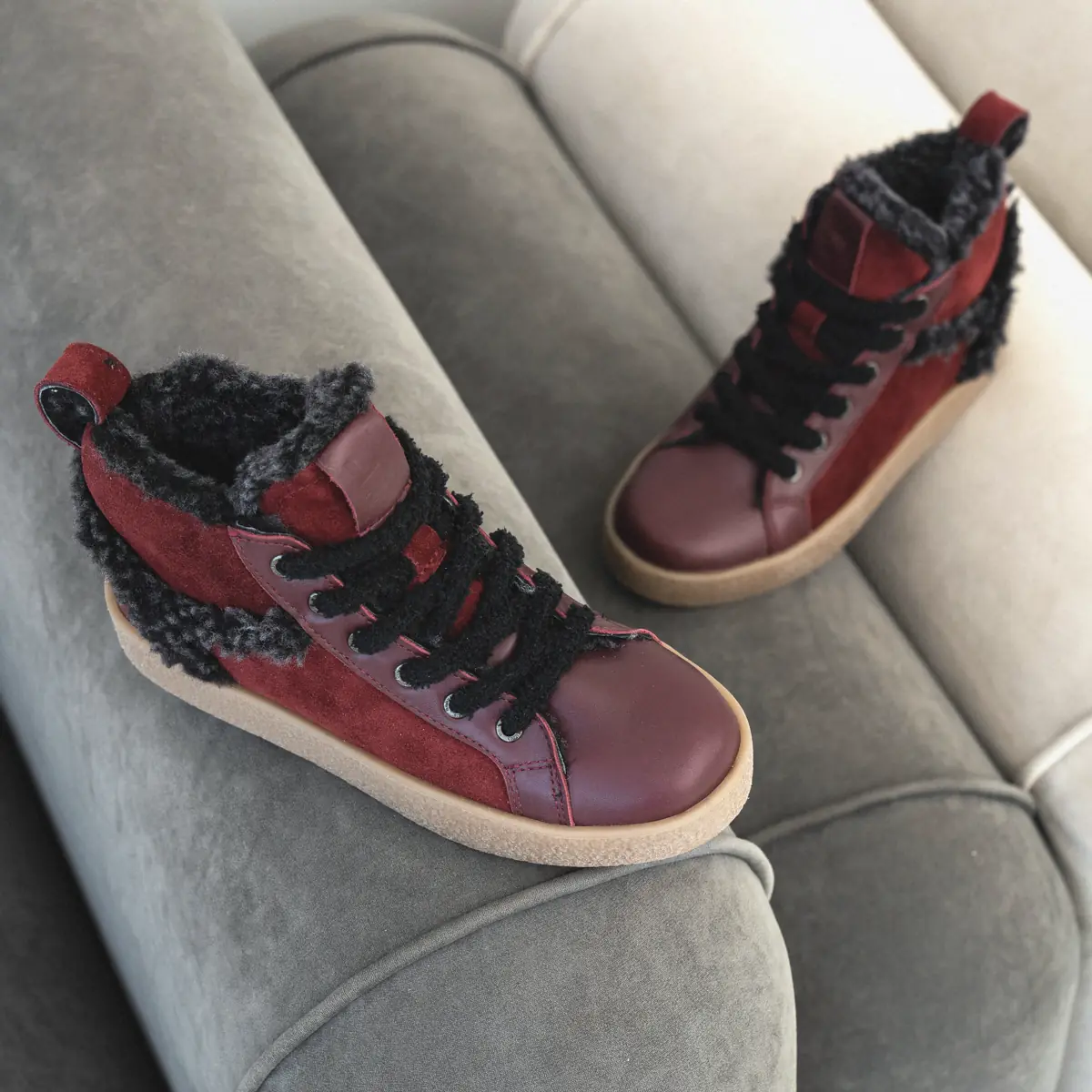
- Smooth leather: the most forgiving in wet cities. The Washington-41 care section says to remove dirt with a damp cloth or leather brush and to use water-repellent products, "especially important during the rainy and snowy seasons".
- Nubuck: the Glori-19 care section asks for a water-repellent nubuck spray before the first use and periodically, a nubuck brush or eraser for dirt, and foam for deeper stains.
- Mixed uppers: Glori-19 combines genuine nubuck with smooth leather, which is a practical mix where the toe meets slush.
- "Waterproof" claims: some makers treat or test the leather itself; Blundstone describes its Thermal leather as tested for resistance to water penetration. If a page does not claim waterproofing, assume water-repellent at best and do not stand in puddles.
Our full routine for wet days is in "How to dry shoes" and "How to clean nubuck and suede".
What sole and grip do you need on icy streets?
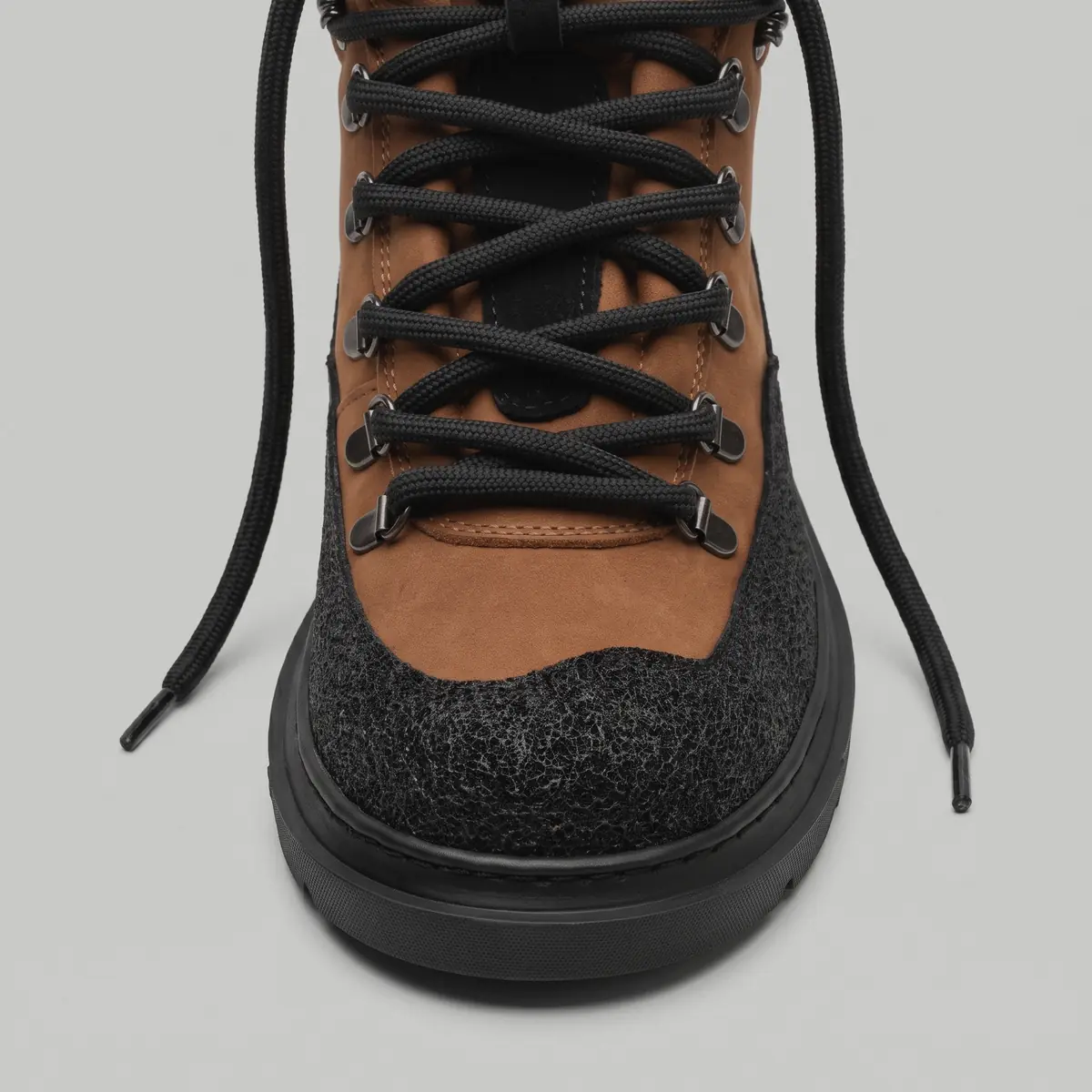
For cleared city pavements, a rubber or TPE sole with a deep, open tread is enough. For sheet ice, nothing beats studs. For deep snow, height matters more than tread: a tall shaft and a seam-sealed lower keep snow out.
- Studded soles. Swedish Icebug builds 13–19 integrated steel studs with carbide tips into its BUGrip soles, and still warns there is no guarantee against slipping.
- Deep lugs. Red Wing's Iron Ranger uses a Vibram 430 Mini-Lug outsole; Sorel's Caribou has a molded rubber outsole and is listed for heavy snow.
- Babylon. Armor-24 has a chunky, deep-tread sole and liquid rubber applied around the base of the sole with Babylon's own technique. Punch-11 has a light microporous rubber and TPE sole with a ridged tread. Neither has studs, so on bare ice walk carefully or add slip-on cleats.
Cemented, stitched or welted: does construction matter?
It matters for repair, less for warmth. A welted boot has the sole stitched to a leather strip around the upper and can usually be resoled many times. A cemented (glued) sole is lighter and more flexible but usually is not designed to be resoled.
Red Wing lists the Iron Ranger as Goodyear leather welt construction, resoleable, made in USA. Most insulated winter boots do not state the sole attachment at all; they describe seam sealing instead, as Timberland and Sorel do. Babylon's product pages do not state the sole attachment method either, so we do not claim welting for our boots. What they do state: each pair is made by hand at our family-owned factory, and Punch-11 is built on an anatomical last.
How should you read a temperature rating?
As the maker's own estimate. There is no single test that all fashion and city boot brands use, so a number from one brand cannot be compared with a number from another. Look at what the rating assumes: walking or standing, and with which socks.
- Babylon: Punch-11 says "down to −20 °C"; Armor-24 with Winterfrost 500 is rated "from +5 to −15 °C". Glori-19 and Verona-91 state no temperature, so we do not invent one.
- Icebug: the Metro 2 Nubuck BUGrip gives a comfort range from +5 °C to −20 °C "for moderate activity levels".
- Timberland: the Premium 6-Inch gives insulation weight (400 g), not degrees.
- Sorel: the Caribou lists its use as "Heavy Snow" and the liner thickness.
Which kind of boot maker fits you best?
Pick by your winter, not by brand. Heritage welted makers suit people who want one pair for a decade; insulated outdoor brands suit deep snow; Scandinavian studded boots suit icy pavements; factory-direct makers suit city winters on a budget.
| Maker type | Example | What the page says | Strengths | Trade-offs | Price on maker's site |
|---|---|---|---|---|---|
| Heritage welted | Red Wing Iron Ranger | Goodyear leather welt, made in USA, resoleable, Vibram Mini-Lug | Repairable for years | No insulation listed; heavy; needs a wool sock for frost | About $360 (US site) |
| Pull-on thermal | Blundstone Thermal #566 | Thinsulate insulation, sheepswool-lined footbed, waterproof leather | Easy on and off, warm footbed | Elastic sides; no temperature stated | About $250 (US site) |
| Insulated outdoor | Timberland Premium 6-Inch; Sorel Caribou | 400 g PrimaLoft, seam-sealed (Timberland); removable 9 mm inner boot, heavy snow (Sorel) | Deep snow, wet days | Bulkier; Timberland says it runs large | About $220 (Timberland US site); Sorel not checked |
| Scandinavian studded | Icebug Metro 2 Nubuck BUGrip | 13–19 steel studs, +5 to −20 °C comfort for moderate activity | Best on ice | Studs on indoor floors; nubuck needs care | Not converted |
| Factory-direct | Babylon Glori, Verona, Punch, Armor, Washington | Natural fur or Winterfrost 500 / Respira (per model), handmade | Under $200 including shipping | Ships from outside the EU, import duties possible, 5–10 business days (7–12 to the US, Canada, Israel, New Zealand, Georgia and Montenegro), no studs | Live price on each page |
What do you get at each price level?
Under $100, expect faux fur or thin pile, a synthetic or coated upper and a cemented sole. From $100 to $200, genuine leather or nubuck with natural fur or named insulation becomes realistic, usually from smaller or factory-direct makers. Above $200, you pay for brand, waterproof membranes or seam sealing, studs, welted construction and repair programmes.
These tiers are market logic, not rules. Shipping, import duties and currency can move a pair across a tier, so compare the price you will actually pay at your door.
Where does Babylon fit, and where doesn't it?
Babylon fits city winters: commuting, cleared pavements, slush, short walks in fresh snow. Our boots are made by hand at our family-owned factory in Kharkiv, Ukraine, from leather and fur bought in Spain and Turkey, and sold without middlemen, which is why they stay under $200 including shipping.
Where Babylon does not fit: deep snow, hiking, ice without cleats, or work outdoors all day. We do not make studded or seam-sealed waterproof boots. Delivery takes 5–10 business days (7–12 to the US, Canada, Israel, New Zealand, Georgia and Montenegro), import duties and taxes of your country are paid by the recipient (see shipping and duties), and there are no shops abroad, so trying on means our 30-day international returns, with return postage on you for non-defective pairs.
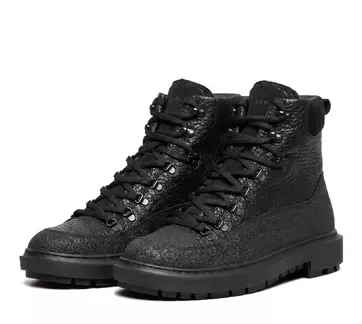
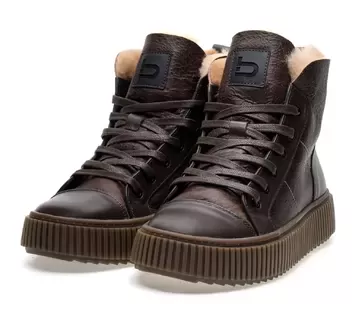
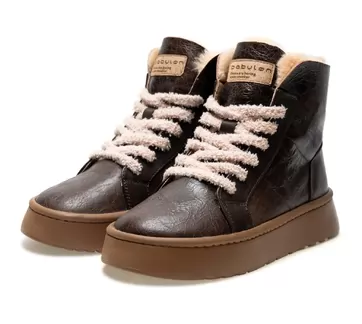
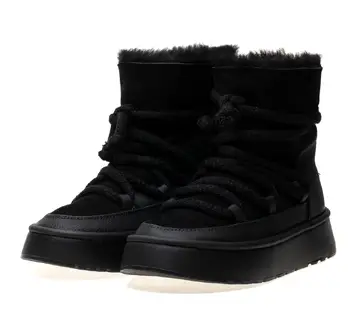
- Glori-19, women's: genuine nubuck and smooth leather, thick genuine fur inside, TPE sole.
- Verona-91, women's: genuine nubuck, genuine fur lining, chunky sole, secure foot support.
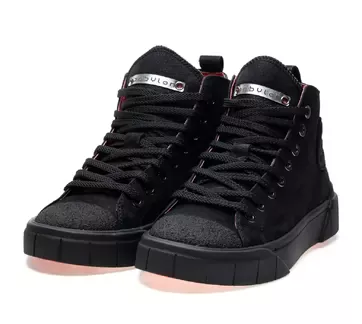
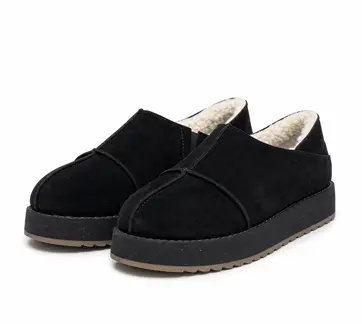
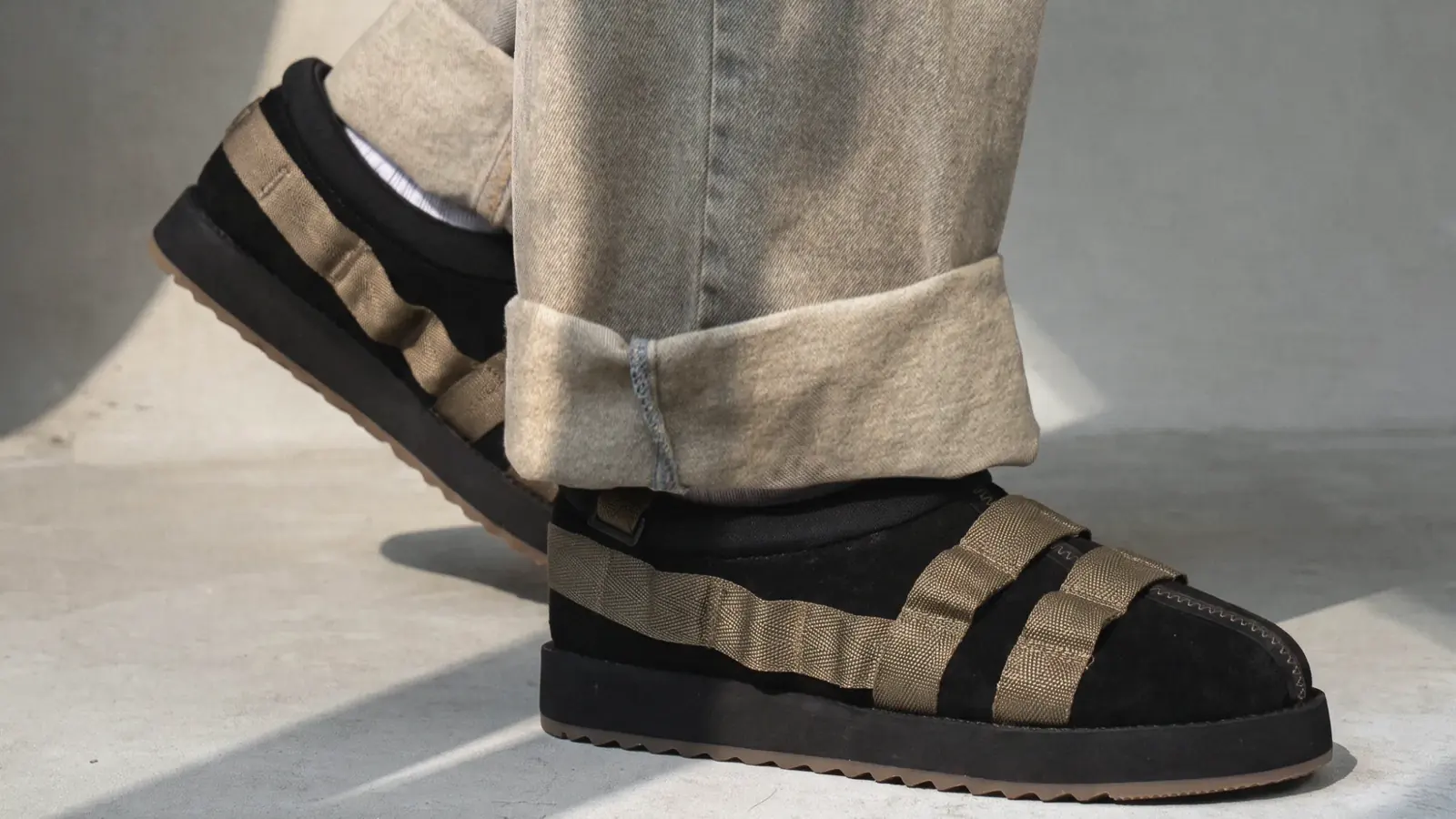
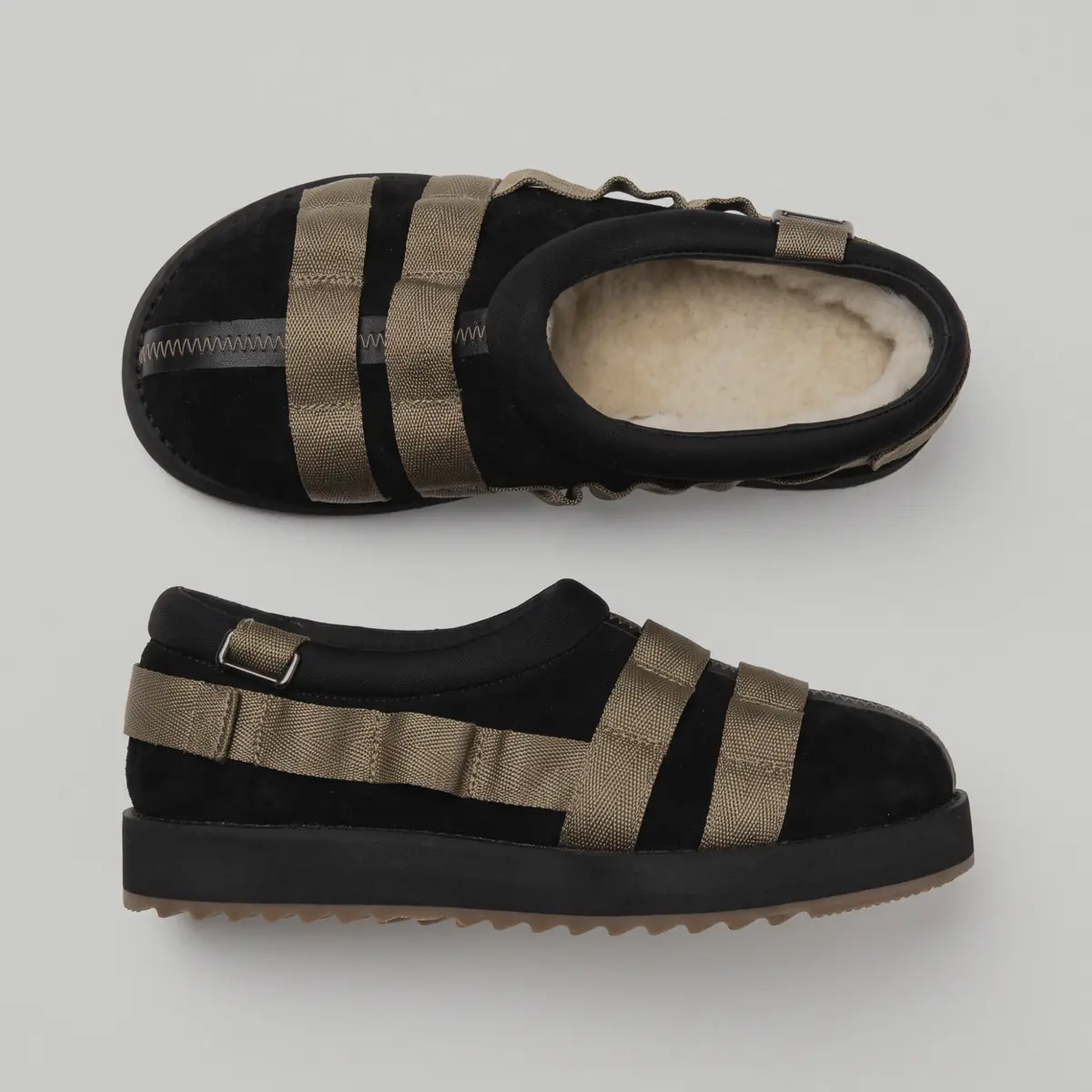
- Punch-11, men's low-cut slip-on: genuine nubuck, natural fur, anatomical last, down to −20 °C.
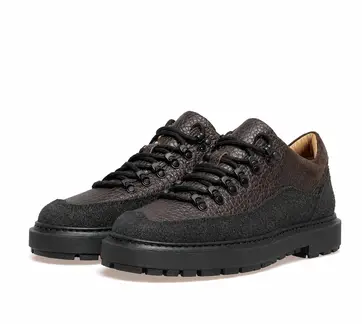
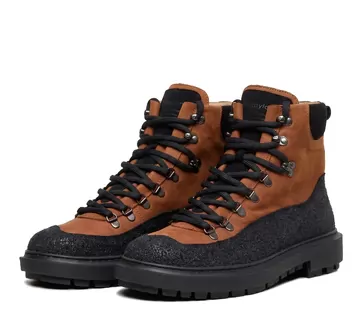
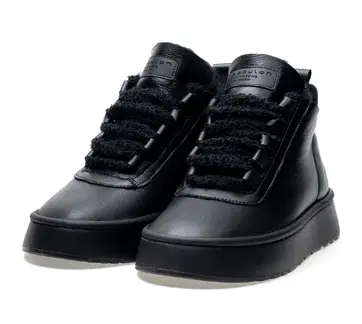
- Armor-24, men's: genuine leather, Winterfrost 500 (+5 to −15 °C) or Respira lining, deep tread.
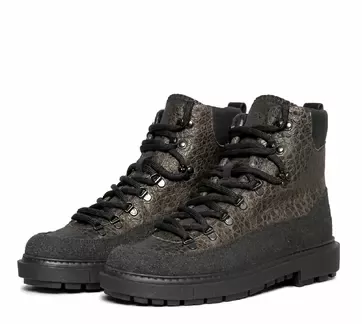
- Washington-41, men's: genuine leather, Italian metal hardware; Respira lining or a fur-lined insulated version, which the page says stays comfortable below 0 °C.
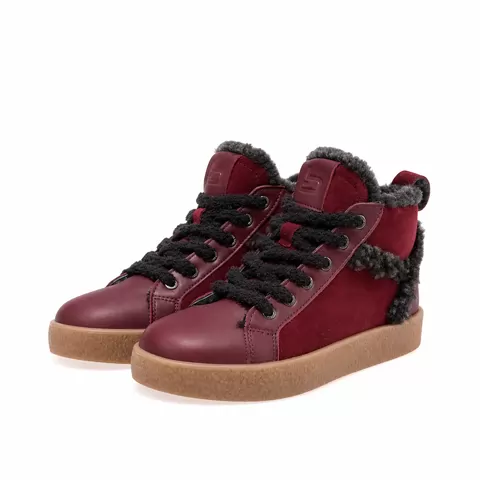 NubuckWomen's fur-lined winter boots in leather and nubuck Glori-19Lining: thick genuine fur; sole: thermoplastic elastomer (TPE)€107View
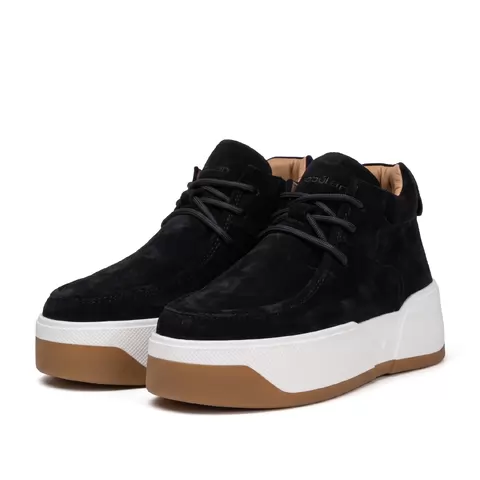 NubuckWomen's fur-lined winter nubuck boots Verona-91Lining: genuine fur; sole: chunky; fit: secure foot support€113View
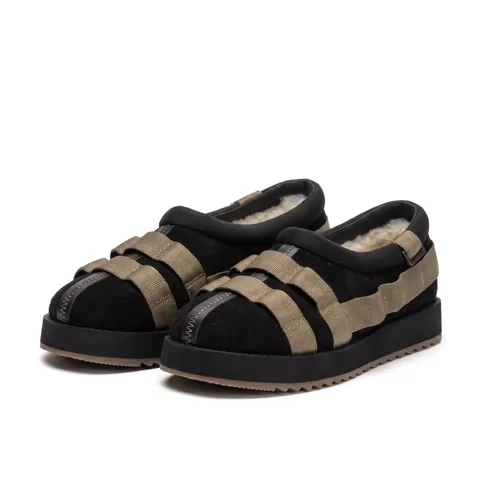 NubuckMen's fur-lined nubuck boots, down to −20 °C Punch-11Trim: textile straps with a buckle; inside: natural fur; sole: microporous rubber + TPE — light and durable€115View
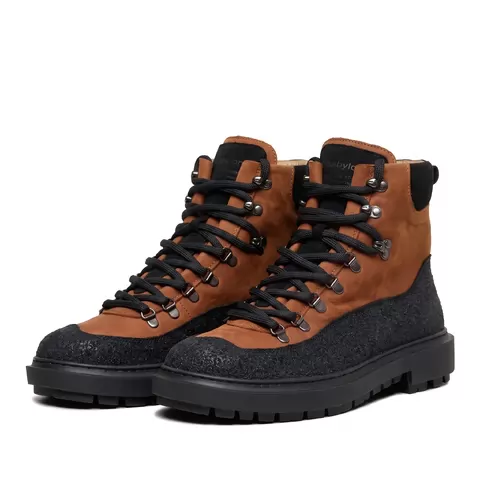 LeatherMen's leather boots Armor-24Winterfrost 500: insulation between the upper and the lining; rated from +5 to −15 °C; sole: chunky€120View
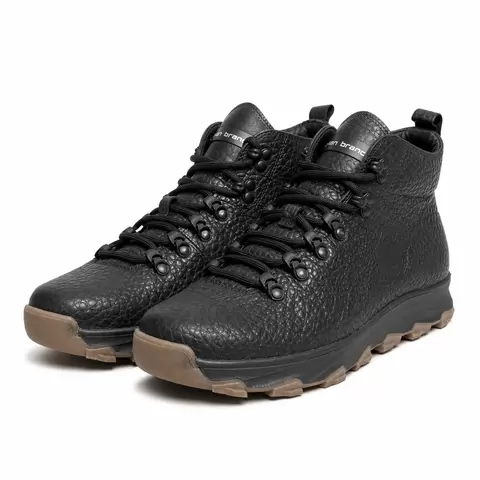 LeatherMen's leather boots Washington-41Hardware: Italian metal; lining: Respira — Italian lining leather; insole: soft foam rubber covered with le…€109View
More on choosing men's pairs is in "Men's winter boots". Browse women's boots, men's winter boots or all winter footwear.
How should fur-lined boots fit with thick socks?
Snug at the heel, free at the toes, with the socks you will really wear. Fur compresses a little over the first weeks, but a boot that squeezes the foot from day one flattens the lining and feels cold.
Measure your foot in the evening, in your winter socks, and compare the length with the size table on that model's page — every Babylon model has foot lengths in centimetres. Read the fit note too: Timberland says its Premium 6-Inch runs large, while our MARY-84 page says that model is snug over the instep and suggests one size up for warm socks. For conversions, see "EU, US and UK shoe sizes".
FAQ
Are fur-lined boots warmer than insulated boots?
Not by definition. Natural fur and sheepskin hold still air and absorb foot moisture, so they feel warm and dry in town. Synthetic insulation is thinner for the same warmth and does not mind damp. What matters more is the stated range for that exact model, a covered insole, a thick sole and a fit that leaves room for socks.
Is nubuck or smooth leather better for salted streets?
Smooth leather is easier: salt and slush wipe off with a damp cloth, and cream keeps it supple. Nubuck has an open, velvety surface that absorbs water and shows salt lines, so it needs a water-repellent spray before the first wear and again through the season, plus a dry nubuck brush after walks.
What does shearling-lined mean on a leather boot?
It usually means a leather or nubuck upper with sheepskin stitched inside as the lining. Some shops use the word loosely, including for synthetic pile. Look for the lining line in the composition: sheepskin, natural fur or faux fur. If a page says natural fur without naming the animal, ask the seller.
How do I read a winter boot's temperature rating?
Treat it as the maker's own guide, not a lab-certified limit. Check whether it is a comfort range for walking or a number for standing still, and whether it depends on socks. Some brands give insulation weight in grams instead of degrees. Compare ratings only within the same maker.
Should I size up for fur-lined boots?
Only if that model's page says so. Fur and insulation take up room, so measure your foot in the evening wearing the socks you plan to use and compare it with the foot-length table of that exact model. Some makers say a model runs large, others say a model is snug over the instep.
Are Babylon boots suitable for deep snow or hiking?
No, they are made for city winters: cleared pavements, slush, short walks in fresh snow and public transport. For deep snow, long hikes or work outdoors, a tall waterproof insulated boot with a removable liner or a studded sole is the better tool, and we say so in the comparison table.
Together with Nataliia Nikitska, he founded Babylon in Kharkiv in 1997 as a wholesale leather footwear manufacturer; since 2015 the brand has sold directly, in its showrooms and online. Today its family-owned factory has 25 craftspeople and 2 technologists and makes 5,000–10,000 pairs a month. All articles by this author
Sources and notes
 How to choose
Fur-lined sneakers: are winter sneakers warm enough for −20 °C?
Fur-lined sneakers can keep your feet warm in a real city winter, but how warm depends on what is inside them. Here is an honest breakdown by lining, sole and height, and the point where sneakers stop being the right shoe.
 How to choose
Sheepskin boots or winter boots: which to choose for winter
Sheepskin boots are warmer and lighter; leather boots handle slush, salt and ice better. We compare them on nine points using Babylon women's and men's models, with facts taken only from the product pages.
 How to choose
Best sheepskin boots under $200: how to compare them honestly
Two pairs of sheepskin boots can look alike in photos and still differ in the hide, the fleece, the sole and what happens when they need repair. Here is a checklist you can run on any product page, and an honest comparison of the kinds of makers selling them.