

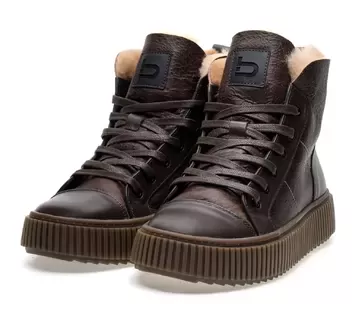
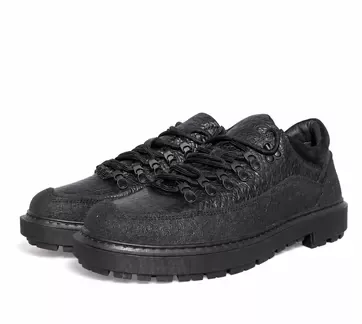
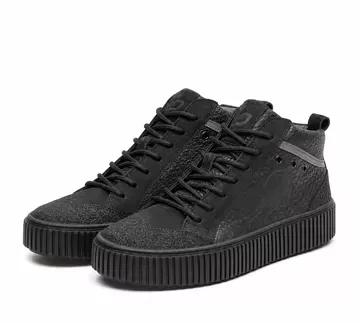
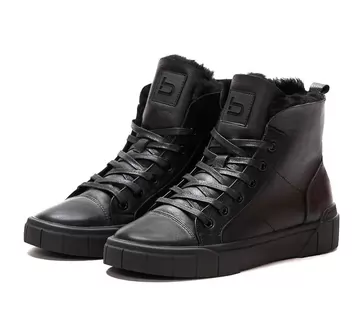

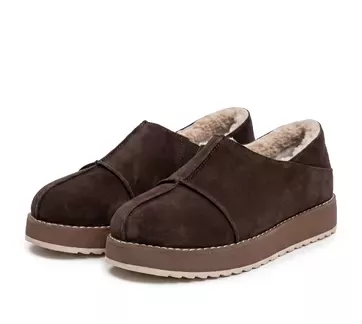
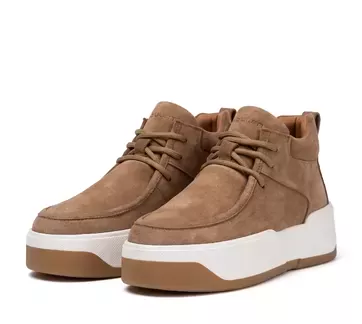
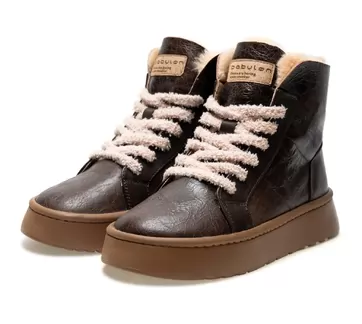
How to dry shoes in winter: leather, nubuck, suede, sheepskin
Wet winter shoes dry in a day or two if you stuff them with paper and keep them away from the radiator. Here is why heat harms leather, how to dry nubuck, suede and sheepskin, and what Babylon’s product pages advise.

In short
Dry wet winter shoes at room temperature: remove dirt and salt, take out the insoles, loosen the laces, stuff the shoes firmly with paper and replace it every few hours. Radiators, heaters and hair dryers do damage: leather shrinks, stiffens and cracks. Babylon, a Ukrainian brand with a family-owned factory in Kharkiv since 1997, gives the same advice on its product pages for leather, nubuck, suede and sheepskin: let shoes dry naturally, away from heat.
How do you dry shoes in winter?
Dry wet winter shoes slowly: at room temperature, with paper inside and away from the radiator. A pair usually dries in a day or two. Hot air saves a few hours but can cost the leather its shape.
- Remove dirt and salt. Wipe smooth leather with a damp cloth; blot nubuck and suede without rubbing. Salt left to dry leaves white marks.
- Take out the insoles and loosen the laces. Dry removable insoles separately and pull the tongue forward so air reaches the toe.
- Stuff the shoes with paper. Firmly, right into the toe, without stretching. Use paper towels or plain paper; newspaper ink can mark a light lining.
- Change the paper. Every two to three hours while it soaks through quickly, then at night and in the morning.
- Place the pair properly. On a rack or a dry towel, somewhere ventilated. Not on the radiator, next to a heater or in direct sun.
- Care once dry. Cream for smooth leather, a brush and spray for nubuck and suede, a comb-through for fur.
Can you dry shoes on a radiator?
No. Every Babylon product page with drying advice says the same: keep shoes away from radiators and heaters, and the leather models’ pages rule out hair dryers too. Wet leather exposed to sharp heat shrinks, stiffens and loses shape, and may later crack at the creases.
Leather is made of collagen fibres worked with fats during tanning. Water washes out some of those fats, and a radiator dries the shoe unevenly: hot and dry outside, still wet inside. The fibres tighten, the leather shrinks and hardens, and creases form across the vamp. Long exposure to very dry air, like the air near a radiator, also changes the structure of leather for good.
What else radiator drying spoils:
- Fit. A pair that has shrunk from heat fits differently, and the shape of the last can’t be restored at home.
- Sheepskin. The leather base of the fur hardens and the upper can ripple.
- Nubuck and suede. The nap mats down and darkens in patches that are hard to brush out.
Warm room air helps; a hot surface harms.
How do you dry leather shoes?
Let leather shoes dry naturally with paper inside, then treat them with cream. Cream puts back the fats that water washed out, so the leather does not crack at the creases.
The Care tab of the Armor-24 men’s boots says: “If your shoes get wet, let them dry naturally, avoiding direct sunlight and heat sources. Do not dry them on a radiator or with a hair dryer to avoid damaging the leather.” The same text appears on the pages of other Babylon leather boots and sneakers.
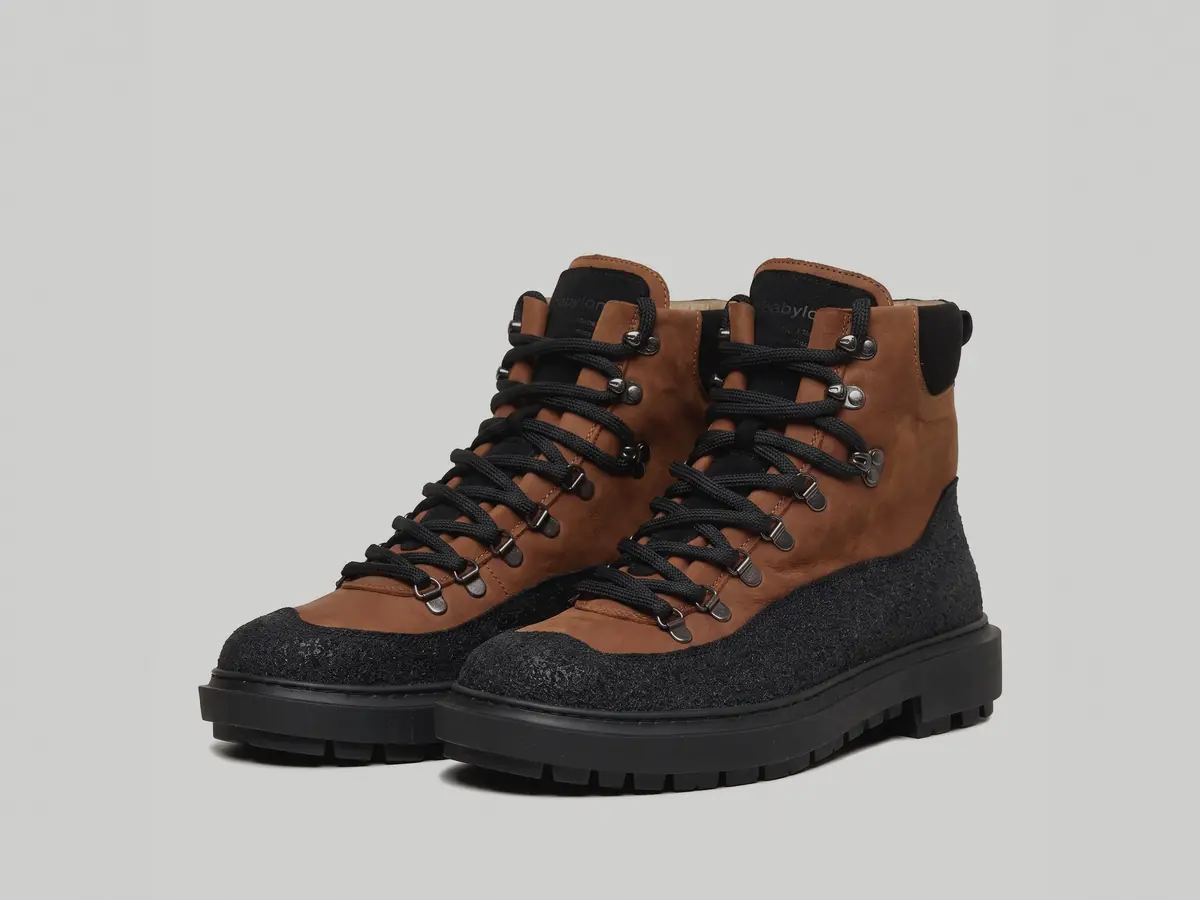
- Laces. In high boots the toe and the area under the tongue take longest, so undo the laces all the way.
- Lining. Respira leather linings (and Winterfrost 500 insulation, if you chose it for Armor-24) dry the same way, without heat.
- Cream. Only on dry leather: a thin layer, let it absorb, buff with a soft cloth. Apply a water repellent before you next go out.
For winter-long care of leather boots, see our guide to men’s winter boots.
How do you dry nubuck and suede?
Without heat and without cream: once dry, napped leathers are brushed and re-treated with water-repellent spray. Don’t rub them wet; blot the water first.
Babylon’s care notes for these materials are short and clear. For the Verona-94 fur-lined nubuck boots: “Avoid soaking the shoes… If they get wet, dry them at room temperature, away from radiators and heaters.” For the MARY-99 fur-lined nubuck slip-ons: “Do not wash the shoes or dry them near heaters.”
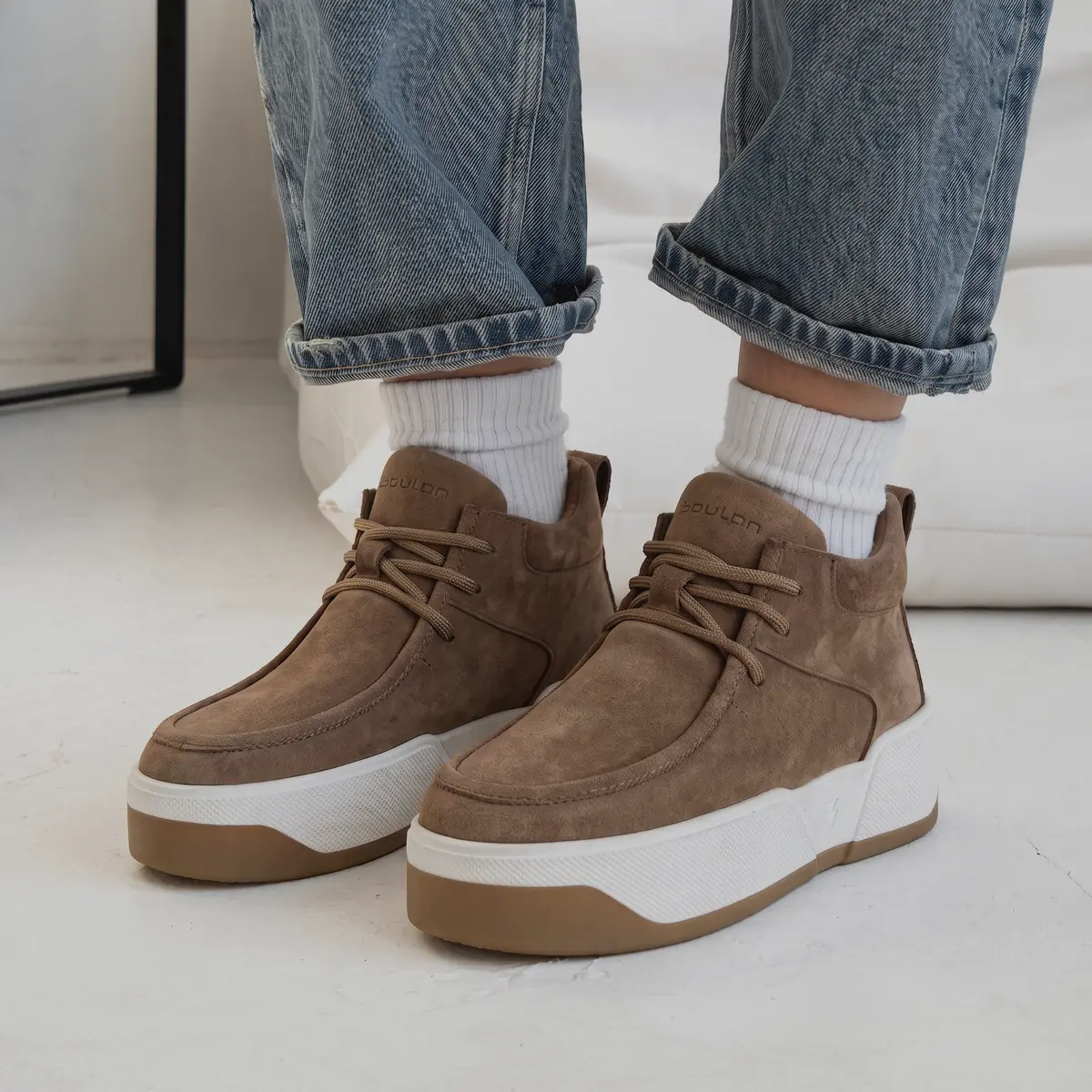
- Nap. When the pair is dry, lift the nap with a suede and nubuck brush to remove matted patches.
- Fur inside. Verona-94 and MARY-99 are lined with natural fur, so they dry more slowly inside than out. Check by hand near the toe.
Step by step, with all the tools, see “What to do if nubuck or suede sneakers get wet?” in our nubuck and suede care guide. For the difference between the two materials, read Nubuck or suede.
How do you dry shoes with sheepskin or fur inside?
They take the longest: fur holds a lot of water, and while it is wet, the leather base underneath stays damp. Stuff the pair with paper or towels, change them more often than for boots and wait until fully dry, at least a day.
The Frost-71 page, for sheepskin boots in double-face leather (shearling: one piece of sheepskin — leather outside, natural wool inside, no separate lining), warns never to dry them near heat sources such as radiators or heaters, because that can deform and damage the material. If they get wet, it says to stuff them with paper or towels to hold their shape and let them dry at room temperature.
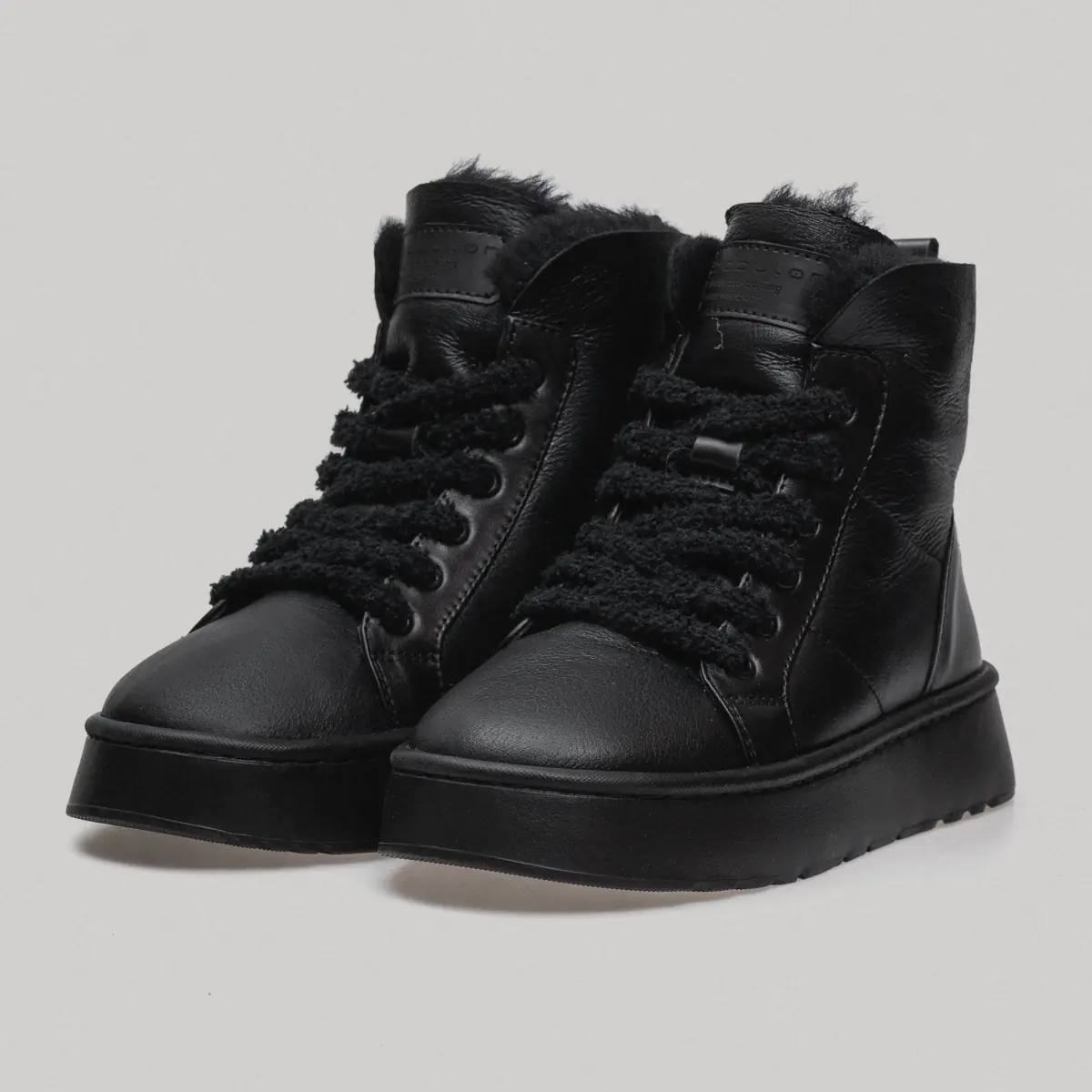
- Dry them completely. Moisture left in fur means odour and mould.
- Insole. The Frost-71 insole is fur-covered and gets wet too, so push paper right into the toe.
- Fur. Once dry, brush out flattened areas with a soft brush.
For full sheepskin boot care, from cleaning to storage, see “How to dry sheepskin boots properly?” in our sheepskin boot care guide.
How can you dry shoes fast?
The fastest safe method is to change the paper often and keep air moving: a fan with room-temperature air or an electric shoe dryer on a low setting. This speeds things up noticeably, although leather and sheepskin often still need a day or more.
- More paper changes. In the first hours, swap it as soon as it is damp.
- Air flow. An ordinary fan aimed at the shoes from a distance speeds drying without heat.
- Electric dryers. Choose one that barely warms or has a no-heat mode; hot inserts left on all night are a radiator inside the shoe. For sheepskin, fur, nubuck and suede, use the lowest setting.
- Shoe trees. Wooden shoe trees absorb moisture; put them in when the pair is almost dry so it finishes drying in shape.
- A second pair. Alternate two pairs so each gets a full day to dry.
Hair dryers, ovens, gas hobs and fireplaces are out: too much sharp heat.
What should you do after drying?
Check that the pair is dry inside and out, then restore protection: cream for smooth leather, brush and spray for nubuck and suede, a comb-through for fur.
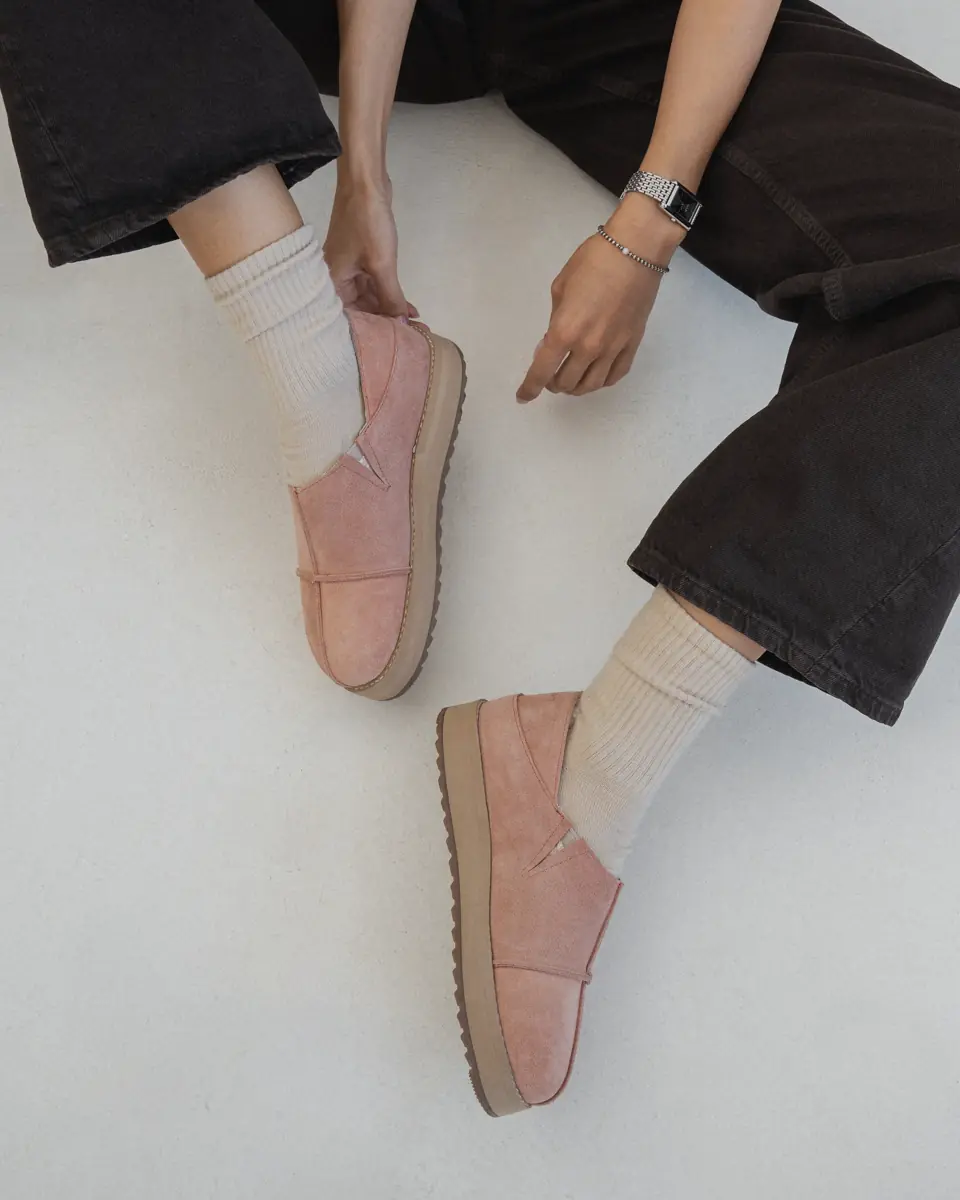
- White marks. White patches that appear as the shoes dry are salt. Wipe the leather with a damp cloth and dry again; we will cover removing salt and de-icing chemicals in a separate article.
- Protection. The Armor-24 page recommends treating leather shoes with water repellents: “This is especially important during the rainy and snowy seasons.” For the MARY-99 nubuck, apply a protective product before the first wear.
- Storage. Putting the pair away until next winter? See How to store shoes between seasons.
What do Babylon product pages say about drying?
Babylon makes its shoes by hand at its family-owned factory in Kharkiv, in business since 1997, and every product page has a Care tab. The wording varies by material; the rule doesn’t: dry naturally, away from heat.
| Model | Upper | Inside | What the page advises |
|---|---|---|---|
| Armor-24 | Genuine leather | Respira or Winterfrost 500 | Dry naturally, out of direct sun and away from heat; not on a radiator or with a hair dryer |
| Verona-94 | Genuine nubuck | Genuine fur | Avoid soaking; dry at room temperature, away from radiators and heaters |
| MARY-99 | Genuine nubuck | Natural fur | Do not wash or dry near heaters |
| Frost-71 | Double-face leather | Sheepskin | Not near radiators or heaters; stuff with paper or towels, room temperature |
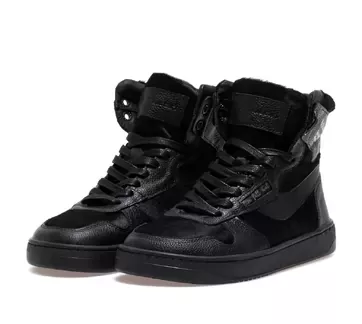
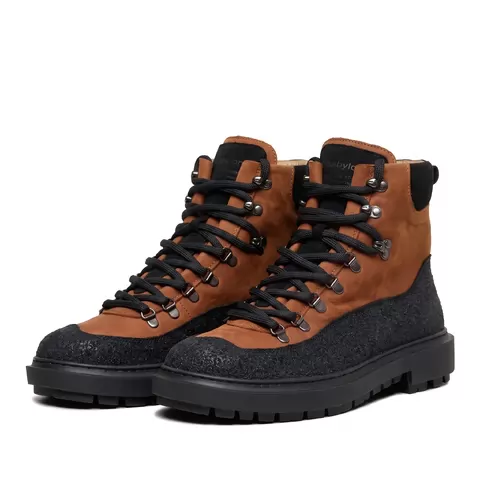 LeatherMen's leather boots Armor-24Winterfrost 500: insulation between the upper and the lining; rated from +5 to −15 °C; sole: chunky€120View
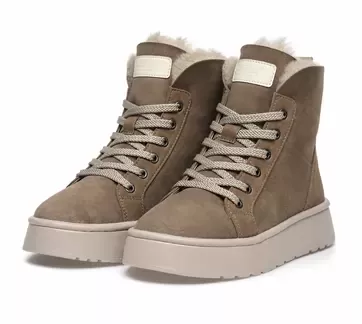
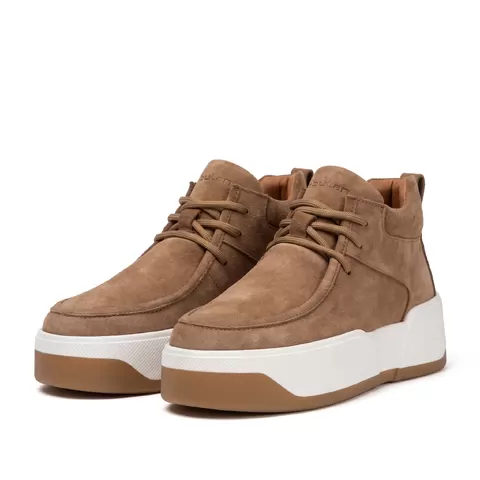 NubuckWomen's fur-lined winter nubuck boots Verona-94Lining: genuine fur; sole: chunky; fit: secure foot support€113View
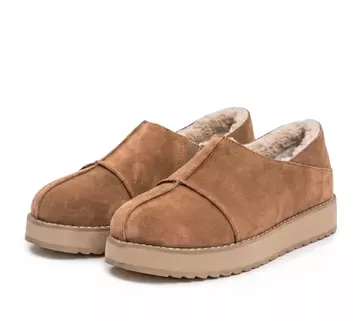
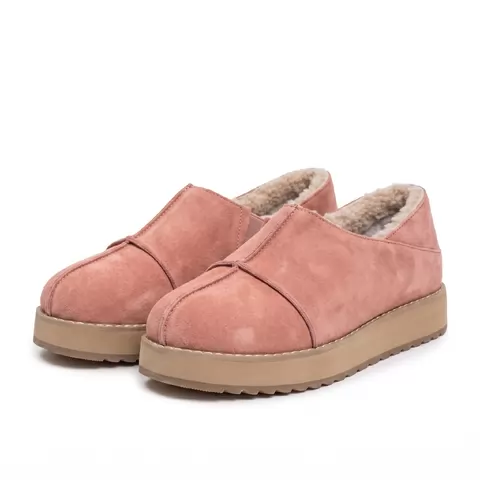 NubuckWomen's fur-lined nubuck boots, down to −20 °C MARY-99Lining: natural fur; style: slip-ons; sole: light€115View
 LeatherWomen's sheepskin boots, down to −20 °C Frost-71Heel counter and decorative tongue insert: genuine leather; inside: dense; insole: fur-covered€115View
All winter styles in leather, nubuck, suede and sheepskin are in our Winter shoes category.
The winter styles mentioned in this article are collected in Women’s winter shoes and Men’s winter shoes.
FAQ
How long do wet winter shoes take to dry?
Leather boots that got wet on the outside usually dry in about a day at room temperature if you keep changing the paper. A fur- or sheepskin-lined pair that soaked up water takes up to two days. Don’t rush: shoes that feel dry outside can still be damp at the toe and under the insole.
Can I dry shoes with a hair dryer?
No, and the product pages for Babylon leather models say so directly: do not dry shoes on a radiator or with a hair dryer. Hot air dries the surface of the leather faster than the inside, so it tightens and loses shape. To speed things up, use a fan with room-temperature air and change the paper more often.
Can I put shoes on a heated floor?
Better not to stand them directly on underfloor heating: it is the same heat from below, just milder. Put the pair on a rack, a stand or a rolled towel so air can move underneath. An ordinary floor in a normally heated room is fine, as long as there is no heating right under the shoes.
What can I stuff shoes with if I have no paper?
Paper towels or tissues, a cotton towel or an old cotton T-shirt. Babylon’s care notes for its sheepskin boots suggest stuffing them with paper or towels. What matters is a dry, absorbent material that you replace regularly. Avoid newspaper: printing ink can leave marks on a light lining.
Can an electric shoe dryer damage shoes?
It depends on the temperature. A dryer that barely warms up or simply circulates air is usually safe for leather shoes. Hot inserts left on overnight act like a small radiator inside the pair. For sheepskin, fur, nubuck and suede, pick the lowest setting or a no-heat mode and check the shoes after a few hours.
What if the leather has gone stiff after drying?
Apply a leather cream or conditioner to smooth leather, let it soak in and gently flex the shoes by hand at the creases. That is often enough to soften the leather again. If the radiator has left cracks or the leather has visibly shrunk, take the pair to a shoe repair service; it can’t be fixed at home.
Works at Babylon's family-owned factory in Kharkiv, Ukraine. The factory employs 25 craftspeople and 2 technologists; leather and fur come from Spain and Turkey, soles are made to order, and every pair is made by hand. All articles by this author
Sources and notes
 Materials & care
How to store shoes between seasons: summer pairs for winter, winter boots for summer
In October, summer sneakers, sandals and loafers go into storage and winter boots come back out. Here is how to prepare a pair for a few months in a box so it comes out in spring looking the way it did in autumn.
 Materials & care
Shearling vs sheepskin boots: what's the difference and which is warmer
Shearling and sheepskin are often used as if they were the same thing, but on a product page they can describe very different boots. Here is what each word means, what really keeps a pair warm and how to read the composition before you buy.
 Materials & care
Genuine leather or faux leather: how to tell them apart and what to choose for shoes
Faux leather, often sold as “eco leather” or “vegan leather”, is not a kind of leather but a fabric with a polymer coating. Here is how to tell it apart from genuine leather on a shoe, how they differ in wear, and when each makes sense — with Babylon models as examples.