





How to store shoes between seasons: summer pairs for winter, winter boots for summer
In October, summer sneakers, sandals and loafers go into storage and winter boots come back out. Here is how to prepare a pair for a few months in a box so it comes out in spring looking the way it did in autumn.

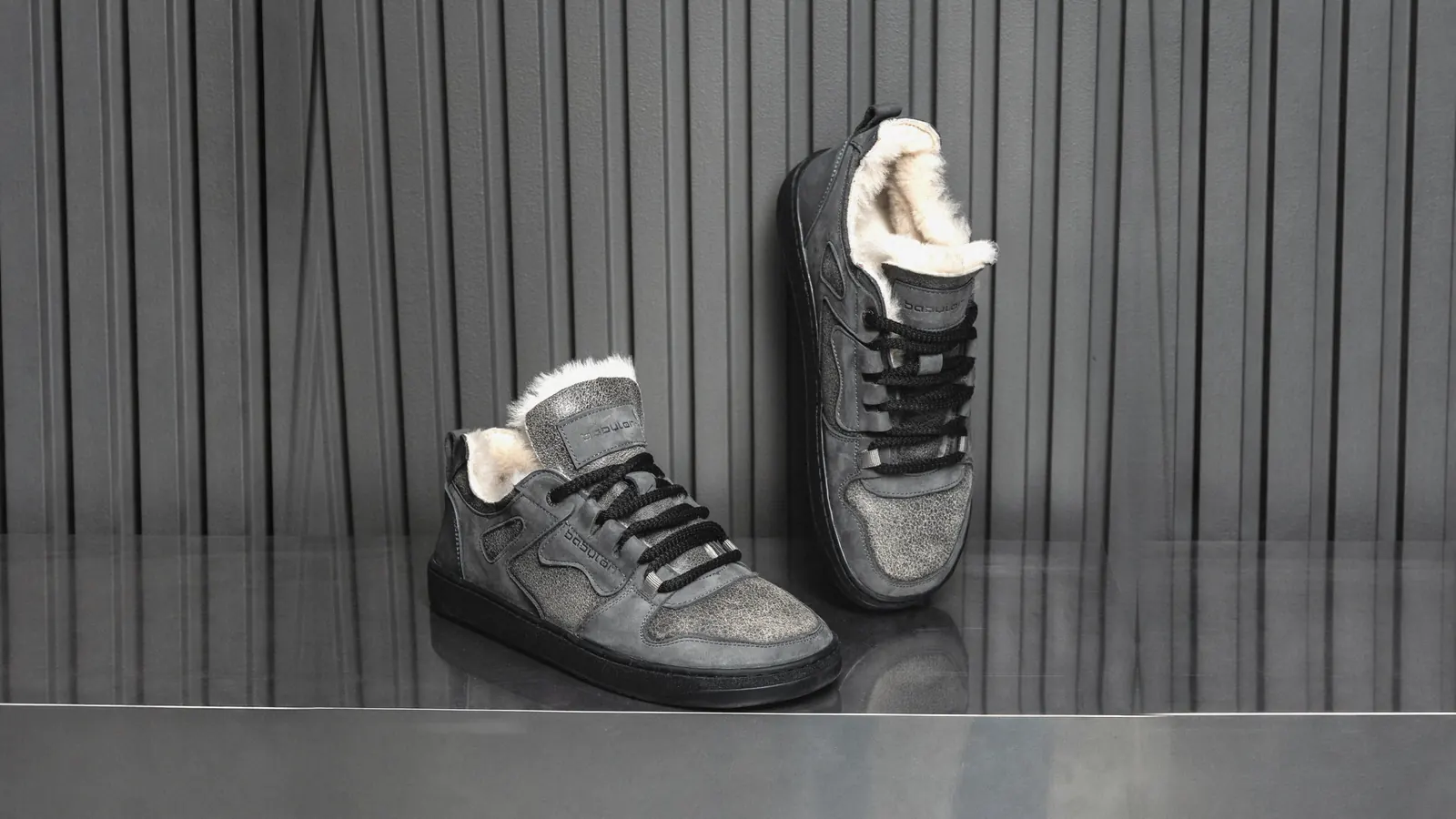
In short
Before seasonal storage, clean your shoes, let them air-dry away from radiators, condition smooth leather, stuff them with paper or shoe trees and keep them in a box or cloth bag, never plastic, in a dry, ventilated place out of direct sun. That is the advice on the product pages of Babylon, a Ukrainian leather footwear brand with a family-owned factory in Kharkiv since 1997.
How to store shoes between seasons: the short version
Only put shoes away clean and completely dry. Condition smooth leather first, stuff the shoes with paper or shoe trees, and keep them in a box or cloth bag in a dry, ventilated place away from radiators and direct sun.
October is when summer sneakers, sandals and loafers go up on the shelf and winter boots come back to the hallway. Babylon makes shoes from genuine leather, nubuck and sheepskin at its family-owned factory in Kharkiv, Ukraine, and has done since 1997. Every product page has a Care section; here is what they say about storage, as one routine:
- Clean. Remove dust and dirt from the upper, sole and welt; take out and wash the laces and insoles if they come out.
- Dry. Naturally, at room temperature, with paper inside.
- Treat. Cream for smooth leather, spray for nubuck and suede, a brush for sheepskin.
- Shape. Paper or shoe trees in the toe.
- Pack. A box or cloth dust bag, no plastic.
- Place. Dry, dark, no temperature swings.
How do you prepare leather shoes for storage?
Wipe the pair with a damp cloth, let it dry and apply a thin layer of cream. That is the core of it: leather stored dirty or damp darkens over a few months, picks up salt marks or mould and loses its shape.
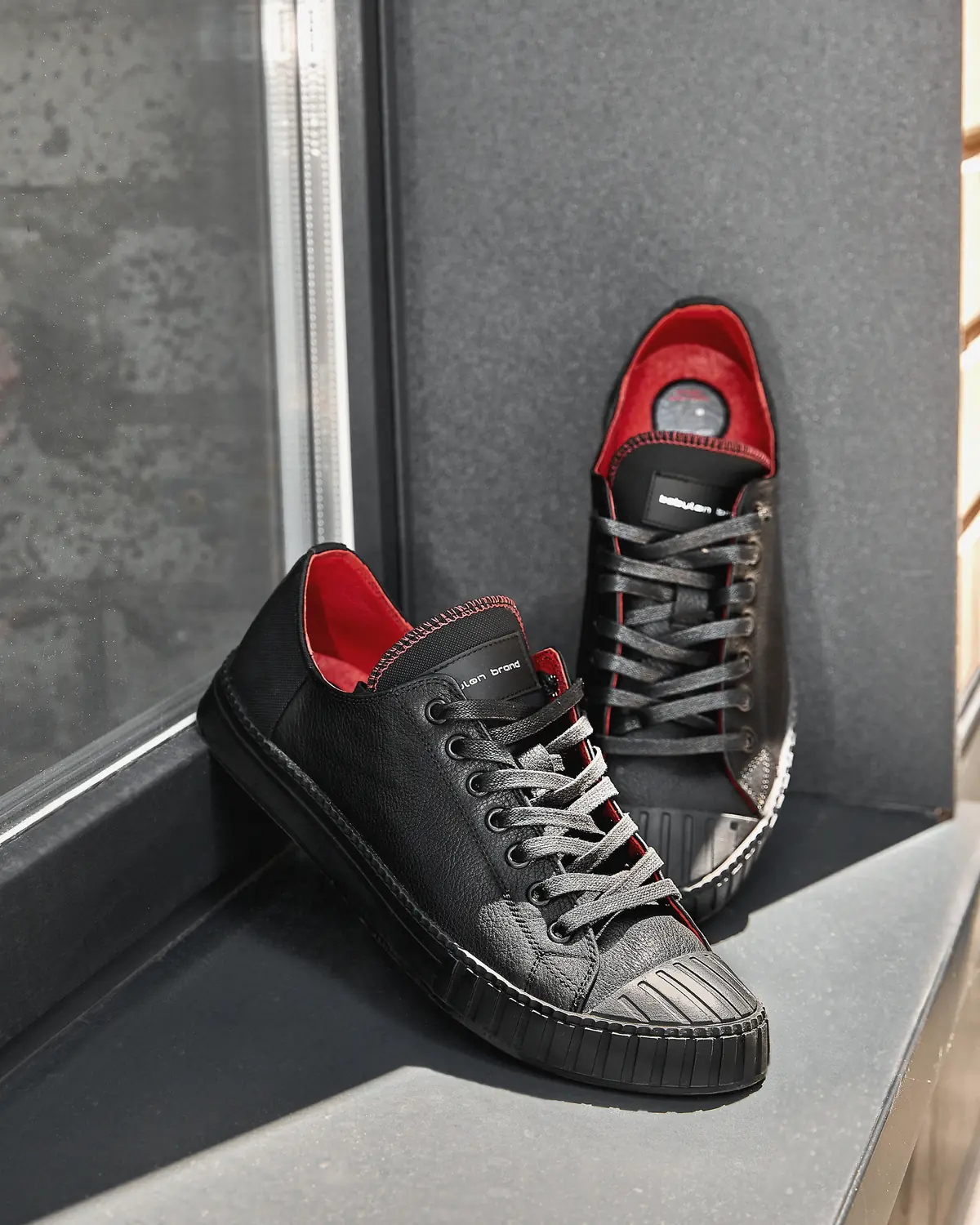
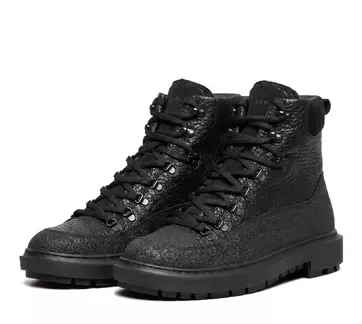
Cleaning. The Montana-911 leather sneaker page keeps it short: wipe off dirt with a damp cloth and treat with leather cream in a matching colour or a neutral one. For the Armor-24 boots, the page suggests a soft damp cloth or a leather brush, and a dedicated leather cleaner for deeper cleaning.
Drying. Babylon product pages agree on this: dry naturally at room temperature, away from heat. The Armor-24 page spells it out: no radiator and no hair dryer, so the leather does not deform. Stuff the shoes with paper and replace it while it is still absorbing moisture. A day or two is usually enough.
Conditioning. Leather loses its natural oils over time, dries out and can crack at the flex points. A thin layer of cream or conditioner after drying keeps it supple through storage.
“Store your shoes in a dry place, away from direct sunlight, and stuff the inside with paper inserts to maintain their shape,” says the DRIFT-14 product page. Other Babylon pages give the same advice in different words.
What should you stuff shoes with to keep their shape?
Tightly crumpled white paper or shoe trees. They hold the toe and shaft, prevent deep creases and soak up leftover moisture.
- Paper. The simplest option for sneakers, loafers, boots and sheepskin boots. Use packing or office paper, not newspaper, as ink can mark light linings.
- Shoe trees. Wooden trees, especially cedar, hold the shape better and absorb odour. They are the best choice for loafers and leather sneakers with a soft heel counter.
- Boot shafts. Fill tall boots with paper all the way up, or use a rolled cardboard insert so the shaft does not fold over.
Where and in what should you store shoes?
Ideally in the original cardboard box or a cloth dust bag, in a dry room at normal temperature. Plastic bags and airtight containers are out: air does not move inside them and moisture stays trapped.
- Box. Cardboard breathes. Any shoe box with a few side holes will do.
- Bag. A cotton or linen dust bag protects from dust and rubbing. Babylon recommends storage bags for its sheepskin boots, and they work just as well for leather boots.
- Place. A wardrobe, top shelf or boxes under the bed. Not a glazed balcony, basement or garage. The U.S. EPA advises keeping indoor humidity below 60%, ideally 30–50%; above that, organic materials, leather included, start to grow mould.
- Sun and heat. Direct sun fades colour and dries leather, and so does a radiator under the shelf. Silica gel packets in the box help in a damp flat.
How do you prepare nubuck, suede, sheepskin and white sneakers?
The routine stays the same; the treatment changes. No smooth-leather cream on nubuck or suede, sheepskin gets brushed, and white leather is cleaned before storage, not after.
| Material | What to do before storage | More |
|---|---|---|
| Smooth leather (sneakers, loafers, boots) | Damp cloth, dry, thin layer of cream, paper or shoe trees | — |
| Nubuck and suede | Dry clean with a brush and eraser, nubuck spray, paper inside; no smooth-leather cream | Nubuck and suede care |
| Sheepskin boots | Soft brush, dry without heat, brush the fur, water-repellent spray, storage bag | Sheepskin boot care |
| White leather sneakers | Clean upper and sole first, neutral cream, white paper inside | Cleaning white sneakers |
| Mesh with nubuck or leather (summer sneakers) | Soft brush or damp cloth, nubuck and textile spray, dry at room temperature | — |
| Leather sandals and slides | Dust off with a dry cloth, leather conditioner, store flat | — |
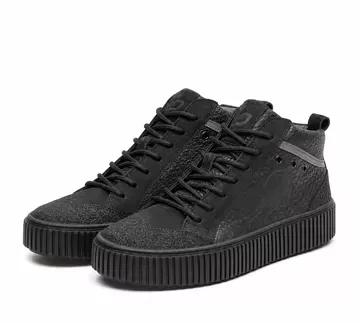
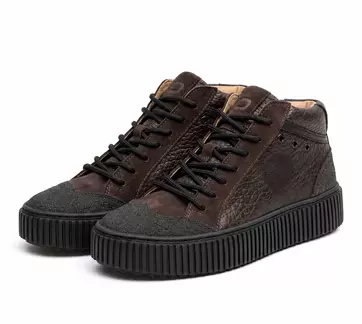
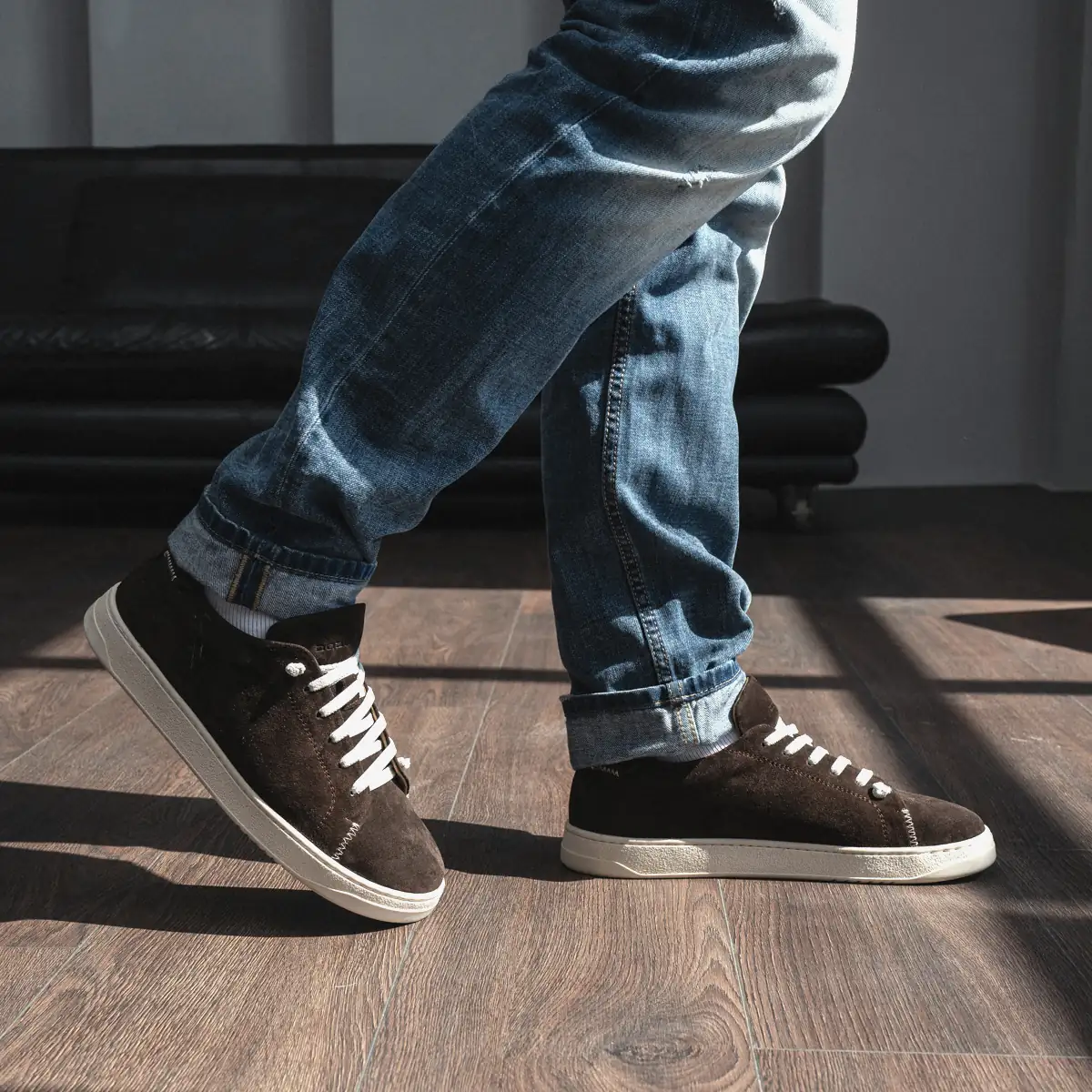
Nubuck and suede. The DRIFT-14 page lists the steps: a nubuck brush or eraser, foam or spray for deeper marks, nubuck care products, water-repellent spray, then dry storage with paper inserts. Our nubuck and suede care guide goes through it step by step.
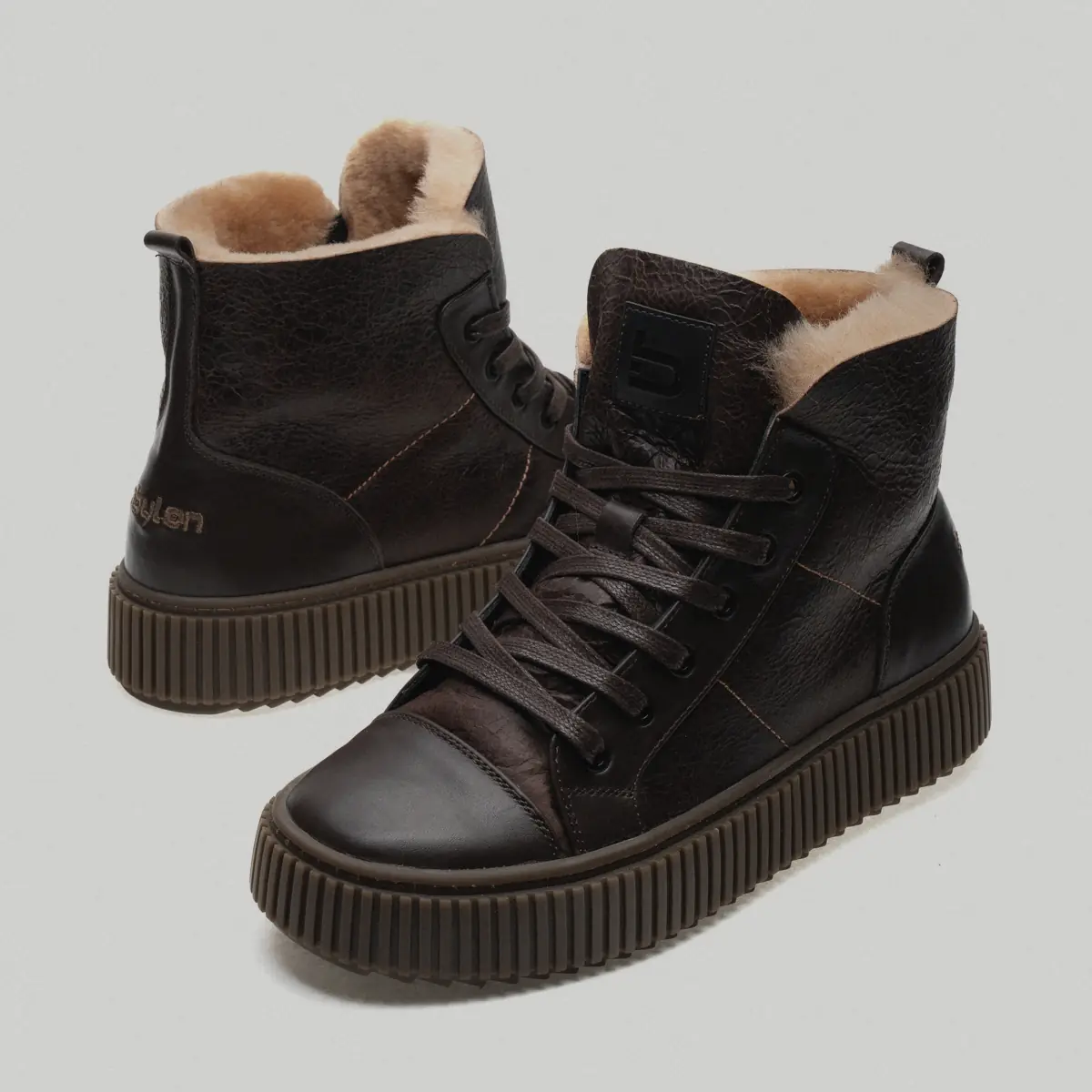
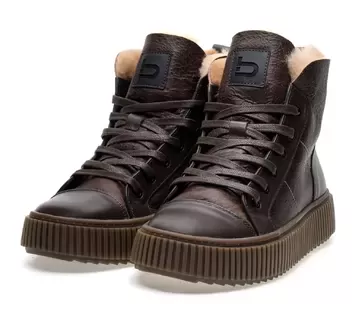
Sheepskin. Sheepskin boots must be fully dry before summer, since damp fur means odour and mould. The Frost-84 page recommends a cool, dry place out of direct sunlight, storage bags and inserts or paper; the UG-1-41 page adds brushing flattened fur with a suede brush. Cleaning and drying are covered in our sheepskin boot care guide.
White sneakers. Marks that sit for six months are harder to remove, so clean white leather and soles before storage. See how to clean white leather sneakers.
How do you put winter boots away for summer?
The same way, with extra attention to salt, which leaves white tide marks and dries leather. After the last wear, wipe the upper with a damp cloth, brush the sole and welt, dry the pair and apply cream or spray to suit the material.
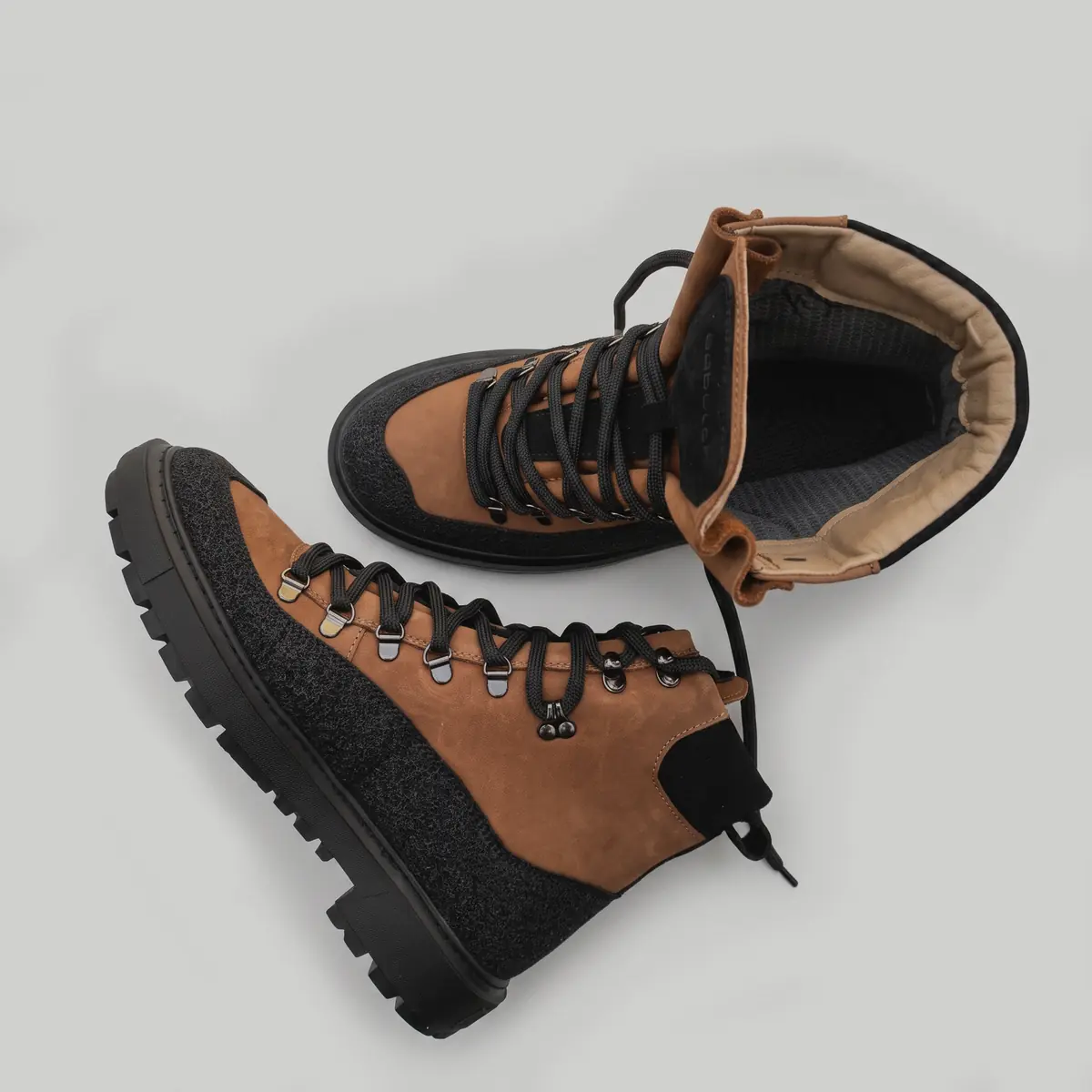
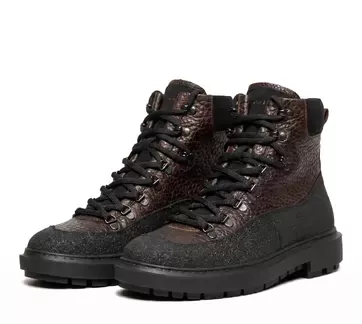
The Armor-24 boots have a liquid-rubber coating around the base of the sole; the page says a damp cloth is all it needs. Dry the lining too: both Respira breathable leather and the Winterfrost 500 insulation absorb moisture from your feet over the winter. Loosen the laces so the tongue does not crease, and fill the shaft with paper.
Should you check shoes during storage?
Yes, every two or three months. Open the boxes, look for a white bloom or a musty smell and let the pairs air for a few hours. Replace any paper that feels damp. If you spot mould, brush it off outdoors, wipe the leather, dry it well, condition it and move the box somewhere drier.
What should you do when you take shoes out of storage?
Let them air for a day out of the box, check the stitching, sole and fastenings, refresh leather with cream, and re-treat nubuck, suede and sheepskin with water-repellent spray. Babylon pages recommend spraying before first wear and repeating regularly; after months in a box, this is that moment. If you are buying for a teenager, measure their feet again and compare with the size chart on the product page of the specific model.
Now is the time to bring winter pairs out. If last season's pair did not make it, Babylon's genuine leather, nubuck and sheepskin models are in Winter footwear and Sheepskin boots, with free worldwide shipping in 5–10 business days (7–12 to the US, Canada, Israel, New Zealand, Georgia and Montenegro).
 LeatherMen's leather sneakers Montana-911Lining: red Respira — Italian lining leather; insole: porous rubber topped with Respira leather; sole: poly…€95View
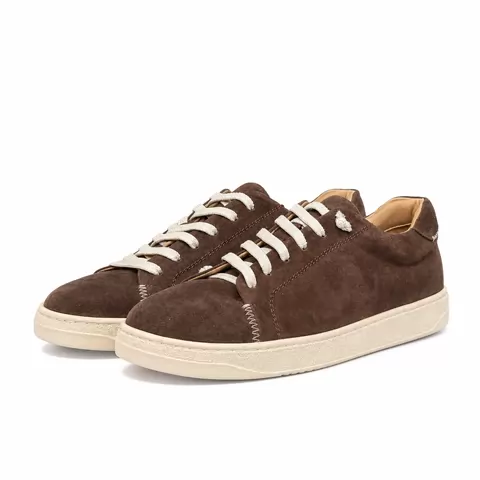 NubuckMen's nubuck sneakers DRIFT-14Lining: Respira — Italian lining leather; last: anatomical; laces: rubber€95View
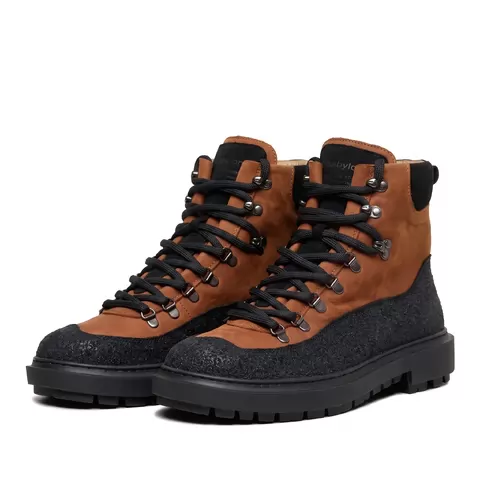 LeatherMen's leather boots Armor-24Winterfrost 500: insulation between the upper and the lining; rated from +5 to −15 °C; sole: chunky€120View
 LeatherMen's sheepskin boots, down to −20 °C Frost-84Heel counter and decorative tongue insert: genuine leather; inside: dense; insole: fur-covered€115View
FAQ
Can I store shoes in a plastic bag?
Better not. Air does not move inside a sealed bag, so any moisture left from your feet or from cleaning condenses inside. Leather darkens and can grow mould, and fur mats and picks up odour. For seasonal storage, use a cardboard box, a cloth dust bag or a shoe box with ventilation holes.
How long should shoes dry before going into storage?
Until they are completely dry inside and out, usually one to two days at room temperature. Stuff them with paper and swap it once it gets damp. Never put them on a radiator, next to a heater or under a hair dryer: Babylon product pages warn that heat deforms the leather.
Paper or shoe trees: what should I stuff shoes with?
Both work. Tightly crumpled white paper holds the toe shape and absorbs moisture, but it settles over a few months. Shoe trees, especially cedar ones, hold the shape better and absorb odour. Avoid newspaper: printing ink can transfer onto light-coloured linings.
Where is the best place to store shoes between seasons?
A dry room at normal temperature: a wardrobe, a top shelf or boxes under the bed. Glazed balconies, basements and garages are a bad idea because temperature swings and humidity dry leather out or make it mouldy. Keep boxes away from radiators and direct sunlight too.
Should I condition leather shoes before storing them?
Yes, for smooth leather: a thin layer of cream or conditioner after cleaning, once the pair is dry. It replaces lost oils and stops the leather drying out over several months. Do not use smooth-leather cream on nubuck, suede or sheepskin; they need their own products and sprays.
What if shoes have a white bloom after storage?
If it is fuzzy and smells musty, it is mould. Take the pair outside, brush the bloom off with a dry brush, wipe the leather with a damp cloth, let it dry well and apply cream. Then move your storage somewhere drier. If a mark remains, take the pair to a shoe cleaning and repair service.
Works at Babylon's family-owned factory in Kharkiv, Ukraine. The factory employs 25 craftspeople and 2 technologists; leather and fur come from Spain and Turkey, soles are made to order, and every pair is made by hand. All articles by this author
Sources and notes
- Care and storage advice: the Care section of Babylon product pages Montana-911, DRIFT-14, Armor-24, Frost-84, UG-1-41 (as of 06.10.2026).
- Indoor humidity and mould: U.S. EPA, “A Brief Guide to Mold, Moisture, and Your Home”.
- Leather drying out, light and heat: “Leather” (Preservation and conditioning) and “Leather conditioner”, Wikipedia.
- Shoe trees: “Shoe tree (device)”, Wikipedia.
- Mould on leather: “Mildew”, Wikipedia.
 Materials & care
Shearling vs sheepskin boots: what's the difference and which is warmer
Shearling and sheepskin are often used as if they were the same thing, but on a product page they can describe very different boots. Here is what each word means, what really keeps a pair warm and how to read the composition before you buy.
 Materials & care
Genuine leather or faux leather: how to tell them apart and what to choose for shoes
Faux leather, often sold as “eco leather” or “vegan leather”, is not a kind of leather but a fabric with a polymer coating. Here is how to tell it apart from genuine leather on a shoe, how they differ in wear, and when each makes sense — with Babylon models as examples.
 Materials & care
Genuine sheepskin boots: how to tell real sheepskin from a fake
Real sheepskin boots are made from a hide where the fleece and the leather are one piece. Here is how to check that in a few minutes, what the material list should say, and how Babylon's sheepskin and nubuck boots differ.