




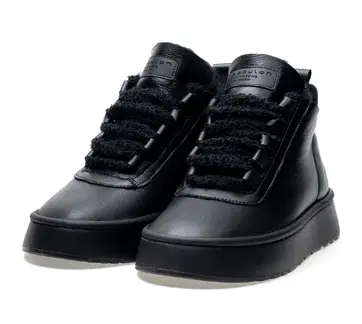
How to care for shearling boots in snow and salt
Sheepskin and shearling boots rarely wear out from frost. They wear out from slush, road salt and hasty drying. Here is a simple routine for the whole winter: before the season, after every walk, once a week and on the days when the fleece inside gets wet.


In short
Treat shearling boots with a water-repellent spray before the first snow and renew it during winter. After every walk in slush, knock off snow, wipe salt from the lower third and the welt the same evening, stuff the boots with paper and dry them at room temperature, never on a radiator. Clean nubuck dry, wipe smooth leather with a damp cloth and brush the fleece only once it is dry. These steps follow the care notes on Babylon's product pages.
How do you prepare shearling boots before the snow?
Clean the pair, check the seams and the sole, then apply a water-repellent spray that suits the outer surface and let it dry overnight. Do it before the first snow, not after the first salty walk: protection works on clean, dry leather and is much less effective on leather that is already stained.
Shearling and sheepskin boots differ on the outside, so the spray has to match the surface:
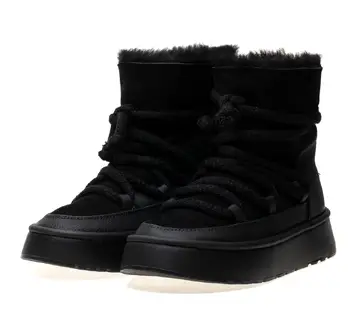
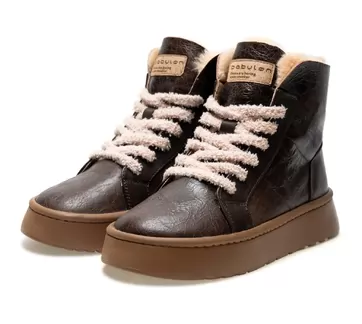
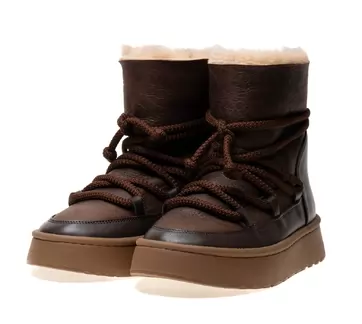
- Double-face sheepskin (leather outside, wool inside, one hide). The UG-1-41 page asks for a water-repellent spray designed for natural leather before first use; Frost-94 suggests a spray for suede or leather.
- Double-face sheepskin. Short-34 recommends a water-repellent treatment “to protect them from moisture, salt and sand”.
- Nubuck with fur inside. Glori-18 and Verona-92 need a water-repellent nubuck spray, never a cream for smooth leather.
While the boots are drying, look at the places that take the most water in winter: the seam where the upper meets the sole, the stitching along the toe and the back of the heel. If a seam is opening or the sole is lifting, stop and deal with it before the season starts. Not sure if your pair is double-face or shearling-lined? Our guide “Shearling vs sheepskin boots” explains how to read the composition.
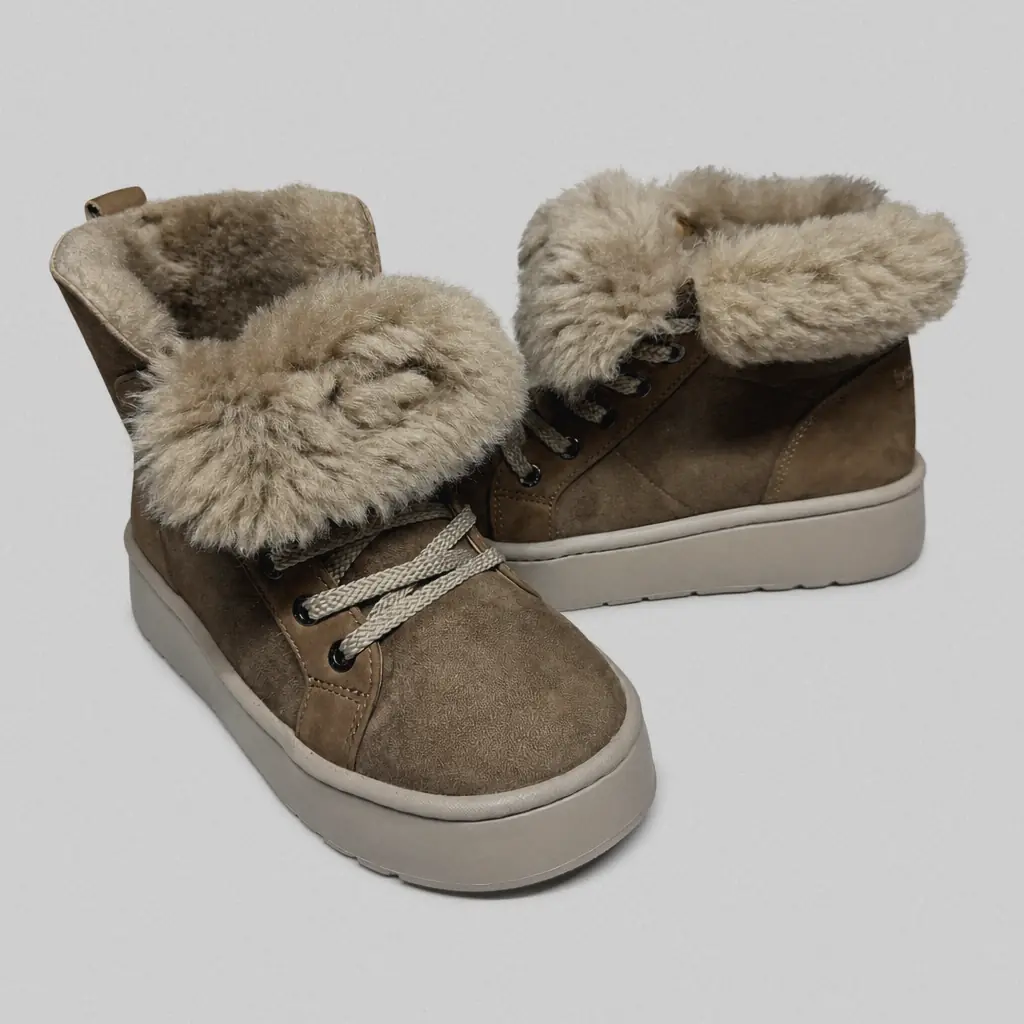
What should you do after every walk in slush and salt?
Spend five minutes on the boots the same evening. Knock off the snow, wipe the salt off the lower third and the welt, stuff the pair with paper and leave it at room temperature. Salt that is left until the morning soaks deeper into the leather and dries as a white line.
A short routine that works for any shearling boot:
- At the door. Tap the boots together and brush off snow and grit before it melts in the warm hallway.
- Lower third first. That is where the salt collects. Smooth leather: a soft damp cloth, rinsed often, then a dry one. Nubuck and napped double-face: wait until the surface is dry, then brush it, because a wet cloth spreads salt into the nap.
- Paper inside. Plain, unprinted paper or a cotton towel draws moisture from the fleece and keeps the shape. Babylon's care notes for sheepskin boots ask for exactly this.
- Room temperature. Never a radiator, heater or hair dryer. The product pages warn that heat deforms the boots; leather already dried out by salt cracks even faster.
- Shoes off indoors. Take the boots off as soon as you can so the fleece airs out between walks.
The chemistry behind the white lines, and how to remove old marks on ordinary leather shoes, is explained in “Road salt on shoes”. Here we stay with sheepskin and shearling.
What if the wool inside gets wet?
Do not try to dry it fast. Blot the fleece with a towel, stuff the boots with paper, change the paper every few hours and leave them at room temperature for a day or more. Once completely dry, brush the fleece gently so it fluffs up again.
Sheepskin is forgiving here: the fleece draws moisture into the fibres and can trap about a third of its own weight before it feels wet. It is the drying that does the damage. Heat makes the leather base of the sheepskin stiff, and wool fibres are weaker when wet, so brushing damp fleece pulls it out and mats it.
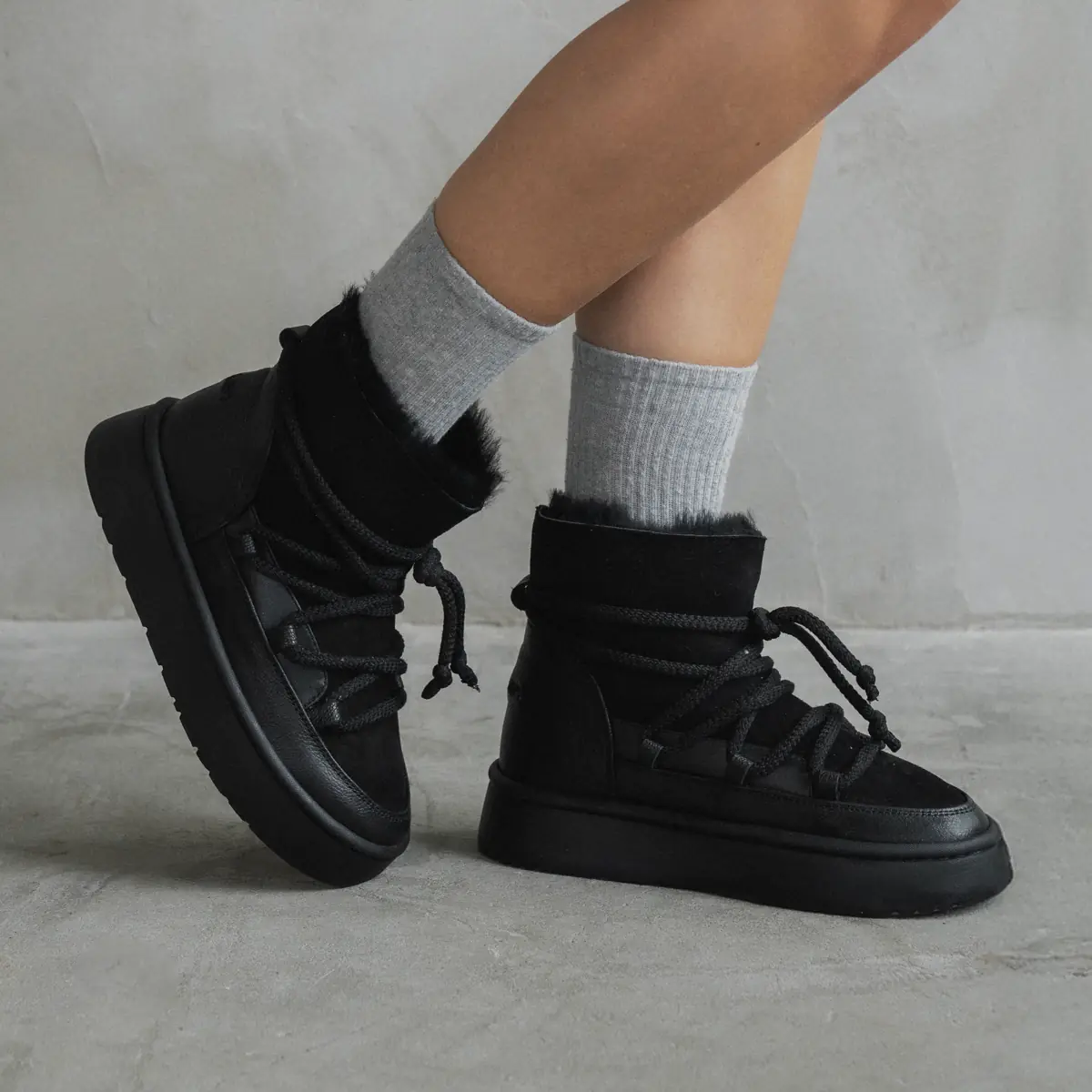
- Water came in over the top (deep snow): dry as above; next time, wear trousers over the shaft rather than tucked in.
- Fleece looks flattened after drying: the UG-1-41 page suggests combing it carefully with a suede brush “to restore its initial fluffiness”.
- A smell appears: let the inside air out overnight; Babylon's Frost pages also suggest an antibacterial spray or odour-absorbing insoles from time to time.
- Never put sheepskin boots in a washing machine or soak the fleece to rinse it.
Our guide “How to dry wet shoes in winter” covers drying times and safe ways to speed things up.
How do you remove salt lines from double-face and nubuck?
Let the boots dry completely, brush off the white residue, then use a cleaner that matches the surface: a damp cloth and cream on smooth leather, a suede or leather cleaner on double-face, an eraser and nubuck foam on nubuck. Work from the edge of the mark inwards so you do not leave a new line.

- Wipe-clean leather face: wipe with a damp cloth and treat with a leather cream.
- Double-face (UG-1-41, Frost-94, Short-34): a nubuck brush on the dry surface — our factory technologist’s advice for white salt marks; for stubborn marks, “special suede and leather cleaning products”, following the maker's instructions.
- Nubuck (Glori-18): “a special nubuck brush or an eraser” for light marks, “a nubuck cleaning foam or spray” for deeper stains. Verona-92 adds: avoid soaking the shoes.
After cleaning, let the pair dry again and renew the water-repellent spray. Nubuck also benefits from the conditioning products its care notes mention, which keep the nap soft.
How do you look after soles and seams in winter?
Brush the welt and the tread once a week with a soft brush and a little water, then dry them. Salt and grit gather in the seam between the upper and the sole, and that paste wears the thread and the edge of the leather faster than walking does.

- Welt seam. An old toothbrush along the join, without soaking the upper.
- Tread. Grit packed into the tread reduces grip on ice; rinse it out and wipe dry.
- Chunky and microporous soles. Verona-92 has a chunky sole and Short-34 a shock-absorbing microporous rubber sole; a damp cloth is enough for the sides.
- Check monthly where the shaft meets the sole and around the heel counter. A loose thread caught early is a small repair; a seam that has let water in all winter is not.
Every Babylon pair comes with a 30-day warranty: if something comes apart early, write to babylon.obrash@gmail.com with photos of the problem.
What does a weekly winter routine look like?
Once a week, give the boots ten minutes: brush the outer surface while it is dry, clean the welt, air the fleece and renew the water-repellent spray if the week was wet. Alternate with a second pair if you can, so each one dries fully between wears.
Before you put the boots away in spring, clean off all the salt, dry them, refresh the spray and store them with paper inside in a cool, dry place, away from sunlight. Frost-94's care notes recommend shoe storage bags; avoid airtight plastic. More in “How to care for sheepskin boots”.
What should you do, and what should you avoid?
Most winter damage comes from a handful of habits. The table sums up the usual problems.
| Problem | What to do | What not to do |
|---|---|---|
| Wet snow on the upper | Knock off at the door, wipe or brush, paper inside | Leave the pair wet overnight by the door |
| White salt line on smooth leather | Damp cloth the same evening, then leather cream | Scrub with detergent or a hard brush |
| Salt on nubuck or napped double-face | Dry first, brush, eraser, nubuck or suede cleaner | Wipe with a wet cloth or vinegar |
| Wet fleece inside | Towel, paper changed every few hours, room temperature | Radiator, heater, hair dryer, sunlight |
| Flattened or matted fleece | Comb with a suede brush once fully dry | Brush while damp, wash the fleece |
| Grit in the welt and tread | Soft brush with a little water, then dry | Soak the whole boot under the tap |
| Sole lifting or seam opening | Stop wearing in slush, contact the maker | Keep wearing it through wet weeks |
Which Babylon boots are easiest to keep in winter?
Smooth leather is the easiest to keep clean, double-face sheepskin is the lightest, and nubuck with fur looks the softest but needs the most protection. All five models below are made by hand at Babylon's family-owned factory in Kharkiv, Ukraine, and their care notes are the basis of this routine.
- Short-34, men's: double-face sheepskin with dense fur inside, microporous rubber sole; comfortable from +5 to −20 °C. Brush it dry and renew the water-repellent treatment.
- UG-1-41, women's: natural double-face sheepskin, thick dense fur, lightweight sole; down to −20 °C.
- Frost-94, women's: double-face genuine leather (sheepskin), fur-covered insole, EVA sole; down to −20 °C.
- Glori-18, women's: genuine nubuck, thick genuine fur, TPE sole.
- Verona-92, women's: grey genuine nubuck, genuine fur lining, chunky sole.
 LeatherWomen's sheepskin boots, down to −20 °C UG-1-41Inside: thick; sole: lightweight; temperature: down to −20 °C€141View
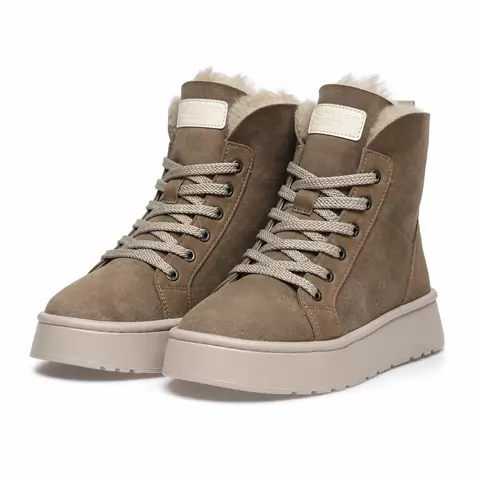 LeatherWomen's sheepskin boots, down to −20 °C Frost-94Heel counter and decorative tongue insert: genuine leather; inside: dense; insole: fur-covered€123View
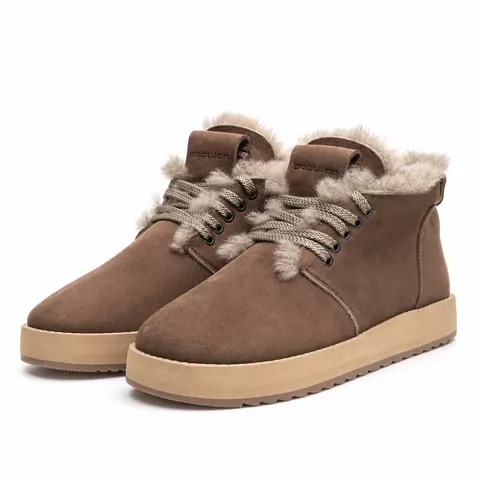 LeatherMen's sheepskin boots, down to −20 °C Short-34Inside: natural sheepskin; temperature range: comfortable from +5 to −20 °C; sole: shock-absorbing micropor…€126View
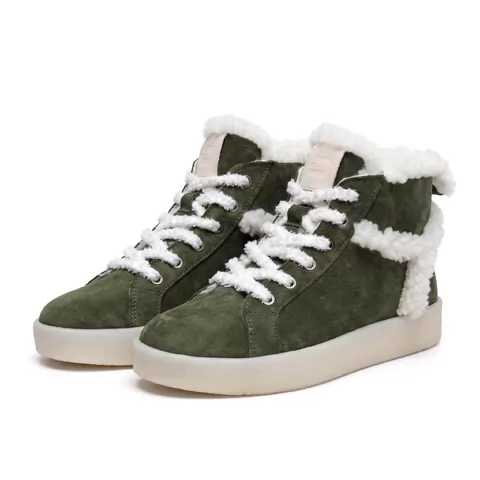 NubuckWomen's fur-lined winter nubuck boots Glori-18Lining: thick genuine fur; sole: thermoplastic elastomer (TPE)€115View
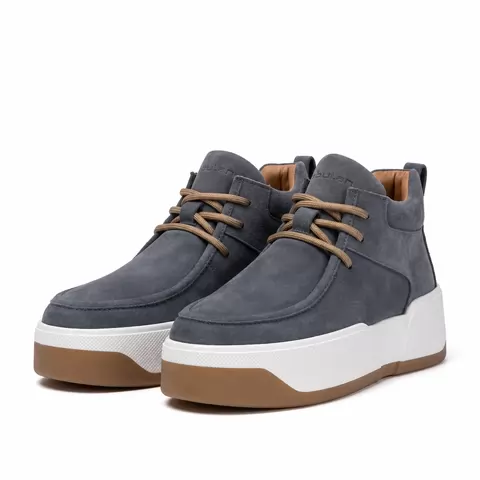 NubuckWomen's fur-lined winter nubuck boots Verona-92Lining: genuine fur; sole: chunky; fit: secure foot support€121View
See all sheepskin boots for women and men, the leather sheepskin boots that are simplest to wipe clean, and the full range of winter footwear.
FAQ
Can shearling boots get wet?
They can cope with snow and an occasional wet day if the outer leather has been treated with a water-repellent spray. They are not made for standing in puddles or deep slush, which soak the leather and the fleece. If that happens, stuff the boots with paper and let them dry slowly at room temperature, away from heaters.
How often should I re-apply water-repellent spray in winter?
Before the first wear, then after every deep clean and more often in weeks with slush. In practice that is about once a week in a wet city winter and once a month in dry frost. Spray only clean, completely dry boots, and let the coating dry overnight before going out again.
Will salt stains come out of sheepskin boots?
Fresh salt usually does. Let the pair dry, brush off the white residue with a nubuck brush, wipe smooth leather with a damp cloth and treat napped leather with a suede or nubuck cleaner. Old marks may fade rather than vanish completely, which is why cleaning on the same evening matters more than any product.
Is it safe to use a shoe dryer on shearling boots?
Babylon's care notes ask you to dry boots at room temperature and never near radiators or heaters, because heat deforms the leather. A warm-air shoe dryer is a heat source too, so we do not recommend one. Paper changed every few hours and a day or so of patience do the job.
Why do my sheepskin boots smell after winter?
Usually because the fleece did not dry fully between wears. Take the boots off as soon as you are indoors, let the inside air out overnight and alternate with another pair on wet weeks. Several Babylon pages also suggest an antibacterial spray or odour-absorbing insoles from time to time.
Which is easier in slush: smooth leather or nubuck?
Smooth leather. Dirt and salt wipe off with a damp cloth, followed by a leather cream. Nubuck looks softer but is cleaned only dry, with a nubuck brush or eraser, and needs its water-repellent spray renewed more often during a wet winter.
Works at Babylon's family-owned factory in Kharkiv, Ukraine. The factory employs 25 craftspeople and 2 technologists; leather and fur come from Spain and Turkey, soles are made to order, and every pair is made by hand. All articles by this author
Sources and notes
 Materials & care
Salt and de-icers: how to protect and clean leather shoes
White tide marks on boots are road salt that soaked into the leather and dried. Here is how to prepare a pair for winter, remove salt after a walk and clean smooth leather, nubuck, soles and stitching.
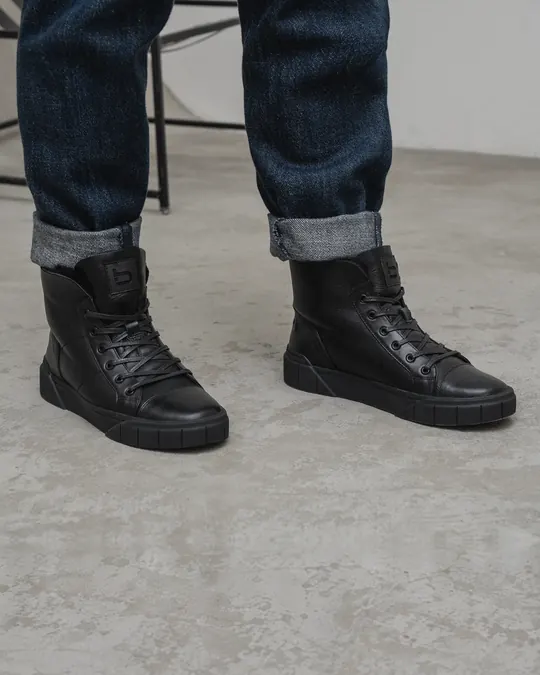 Materials & care
Winter Care for Leather Boots: Black and Coloured Pairs
In winter, smooth leather boots need four simple steps: waterproofing before the first snow, a wipe after every walk, cream once a week and careful drying. Here is what to do with black, brown and textured pairs.
 Materials & care
How to dry shoes in winter: leather, nubuck, suede, sheepskin
Wet winter shoes dry in a day or two if you stuff them with paper and keep them away from the radiator. Here is why heat harms leather, how to dry nubuck, suede and sheepskin, and what Babylon’s product pages advise.