

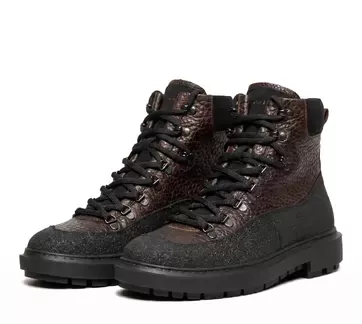
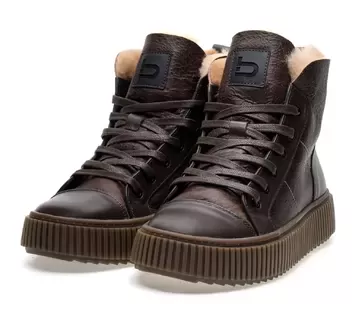
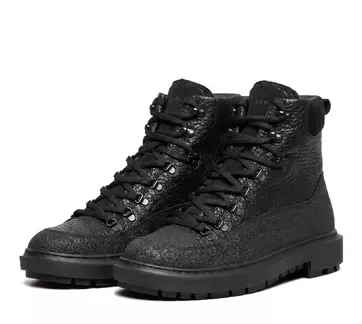
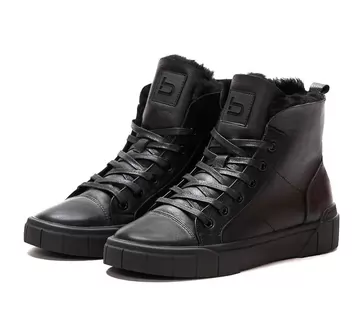


Wide toe box shoes vs barefoot shoes: what's the difference?
Many people who look for barefoot shoes really want one thing: room for their toes. A wide toe box is one feature of barefoot shoes, but it also exists in ordinary cushioned sneakers and warm winter boots. Here is how the two differ.
In short
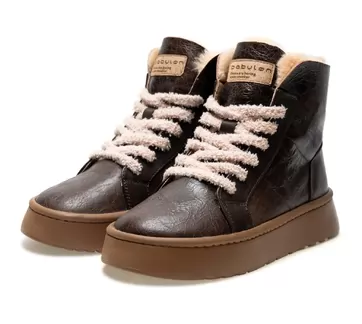
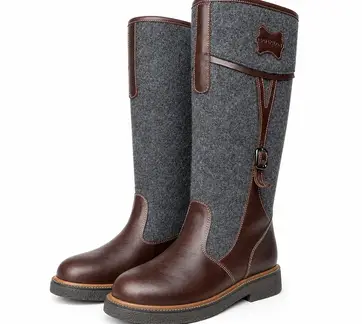
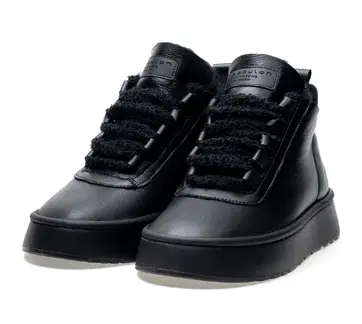
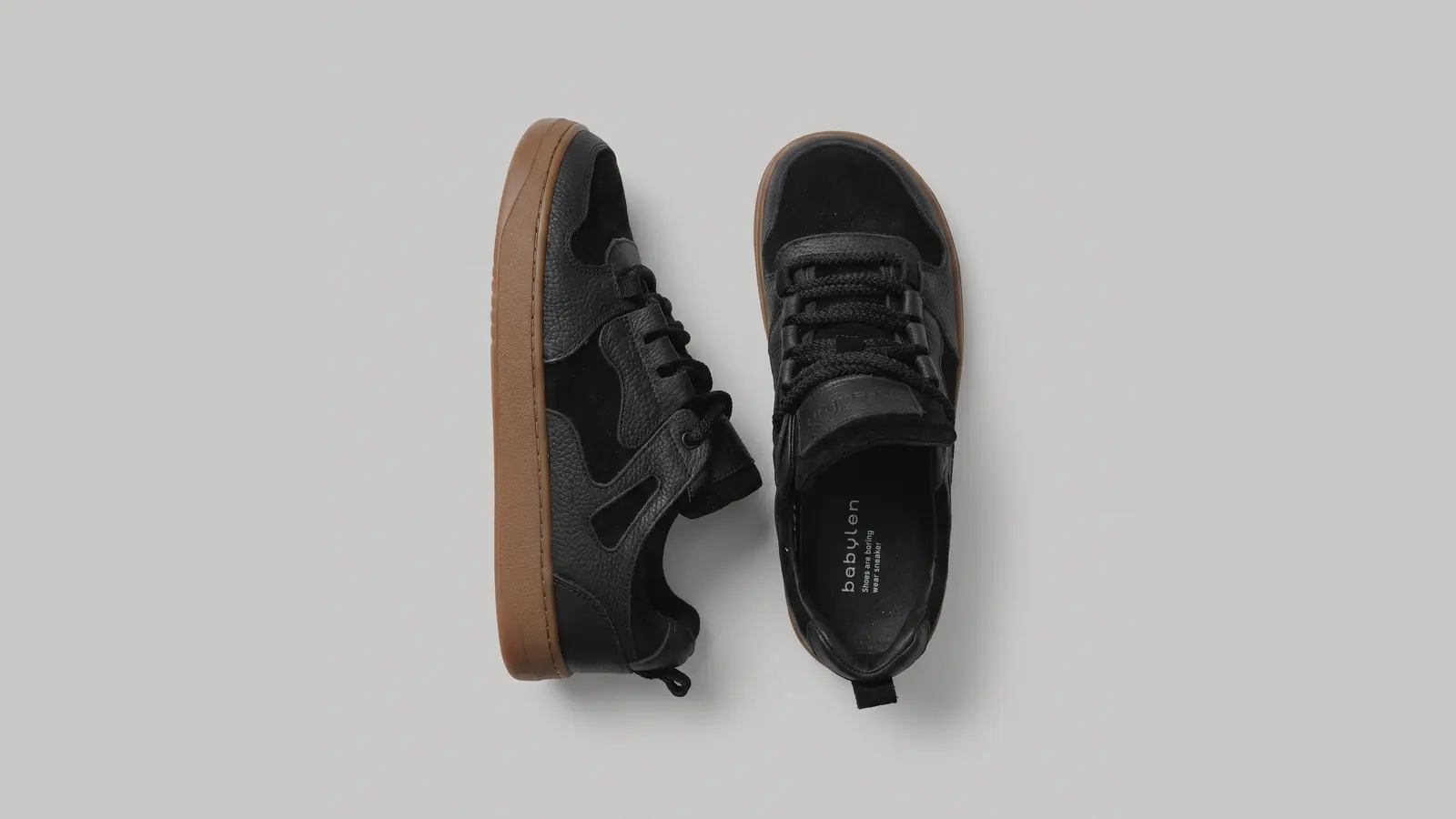
Barefoot (minimalist) shoes combine a wide toe box with a very thin, flexible sole, zero heel-to-toe drop and no arch support. A wide toe box on its own only means the front of the shoe follows the shape of your toes. Babylon sneakers and sheepskin boots are made on an anatomical last with a wide toe box, but they have regular cushioned soles, so they are not barefoot shoes.
What makes a shoe "barefoot"?
Barefoot shoes, also called minimalist shoes, try to interfere as little as possible with how the foot moves. A pair usually has four features at once: a wide, foot-shaped toe box; a very thin, highly flexible sole, often only a few millimetres; zero heel-to-toe drop, meaning the heel and the ball of the foot sit at the same height; and little or no arch support or cushioning.
Take away any of these and the shoe is no longer barefoot in the usual sense. A thick, cushioned sole with a wide toe box is simply a comfortable shoe with room for the toes.
What does "wide toe box" mean?
The toe box is the front part of the shoe around the toes. In many fashion shoes it narrows towards the tip for a sleeker look, so the big toe and the little toe are pressed inwards. A wide toe box follows the natural outline of the toes: the front is broad and rounded, and the toes can lie flat side by side.
A wide toe box describes only the shape of the upper. It says nothing about the sole. That is why you can find wide toe box shoes with thin barefoot soles and wide toe box shoes with thick, cushioned soles, including warm winter boots.
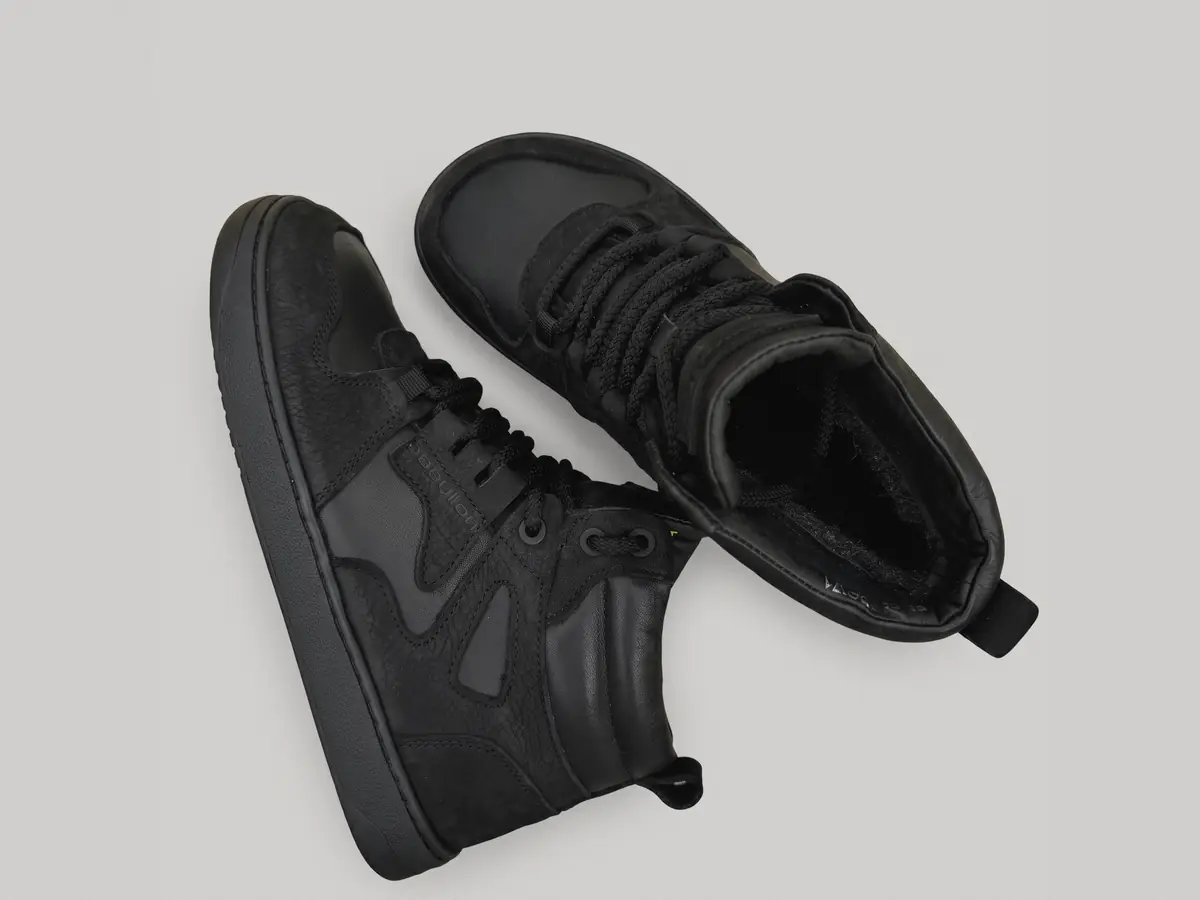
Barefoot vs wide toe box on an anatomical last: side by side
| Feature | Barefoot (minimalist) shoes | Babylon anatomical-last shoes |
|---|---|---|
| Toe box | Wide, foot-shaped | Wide, foot-shaped |
| Sole thickness | Very thin, often a few millimetres | Regular sneaker sole; thicker on winter boots |
| Heel-to-toe drop | Zero | Low drop, not zero |
| Flexibility | Bends and can often be rolled up | Space and Alen soles bend with the foot but keep their shape |
| Cushioning | Minimal, you feel the ground | Cushioned TPE or rubber; microporous rubber on sheepskin boots |
| Arch support | None or very little | No built-in arch support in Space and Alen |
| Overall width | Usually wide | Space and Alen: the whole last is wider (wide fit), not just the toe box |
| Winter warmth | Needs special insulated models | Natural fur, double-face sheepskin or Winterfrost 500 insulation |
| Look | Often a sporty, rounded silhouette | Everyday leather sneakers and sheepskin boots |
The overlap is the toe box — and, on Space and Alen, a wide fit across the whole last, a sole that bends and no built-in arch support. The real difference is the sole: ours is cushioned rather than thin, with a low drop rather than zero.
Where do Babylon shoes fit?
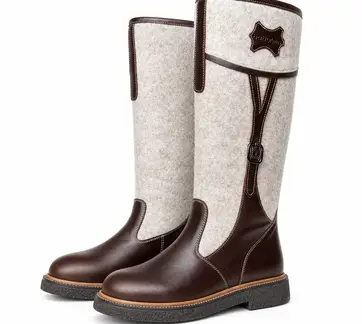
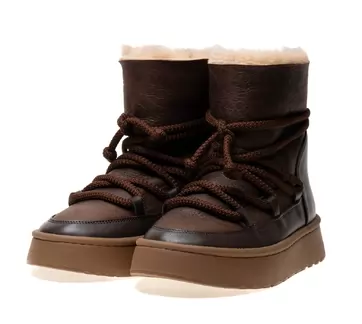
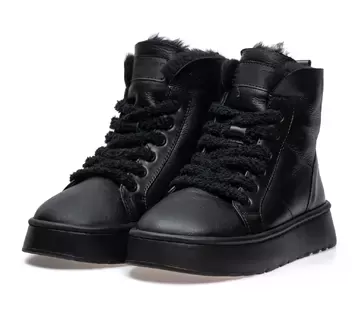
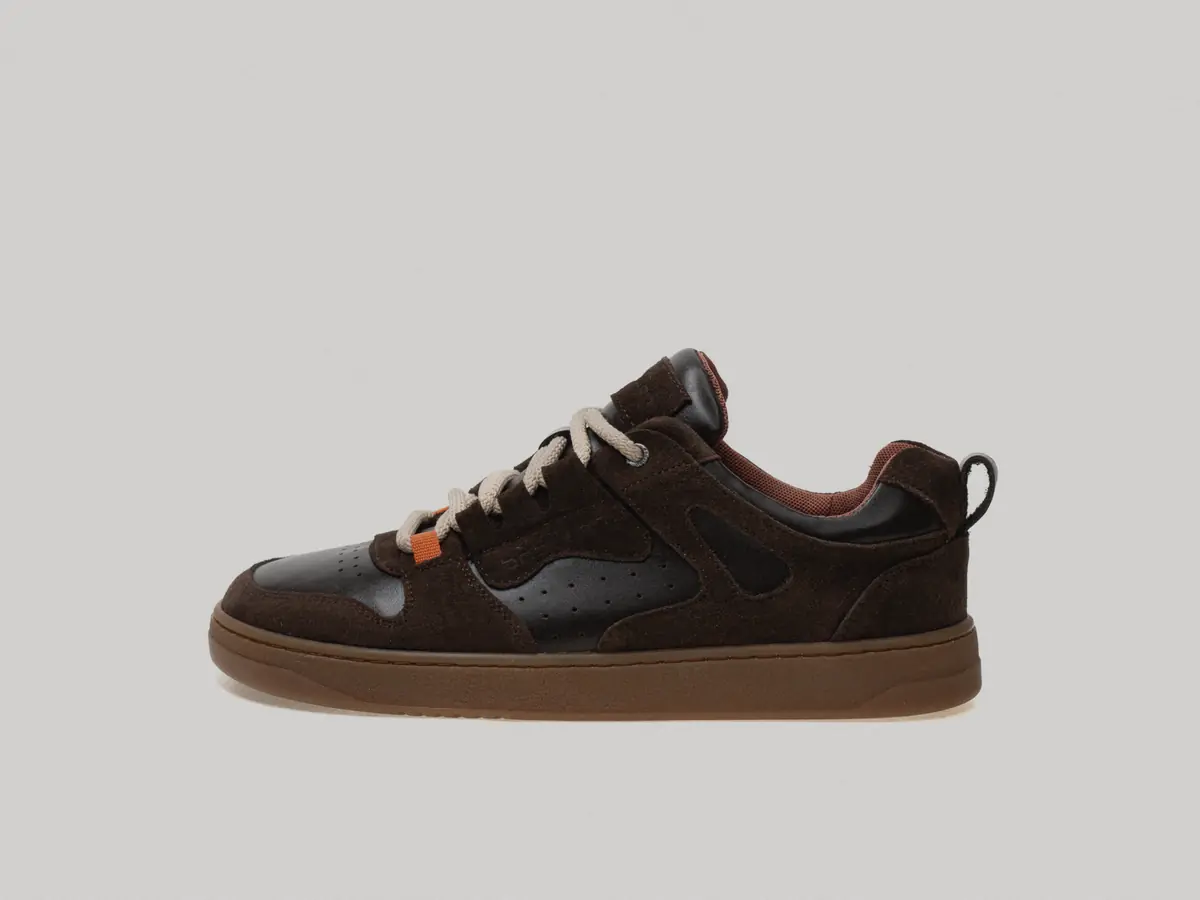
Our sneakers and sheepskin boots are made on an anatomical last — the form a shoe is built on — that follows the shape of the foot. The models in our anatomical-last collection have a wide toe box and a true-to-size fit — on Space and Alen the whole last is wider (wide fit), not just the toe box: Space and Alen sneakers, Alen-V felt sneakers, DRIFT, and the Punch and Short sheepskin boots.
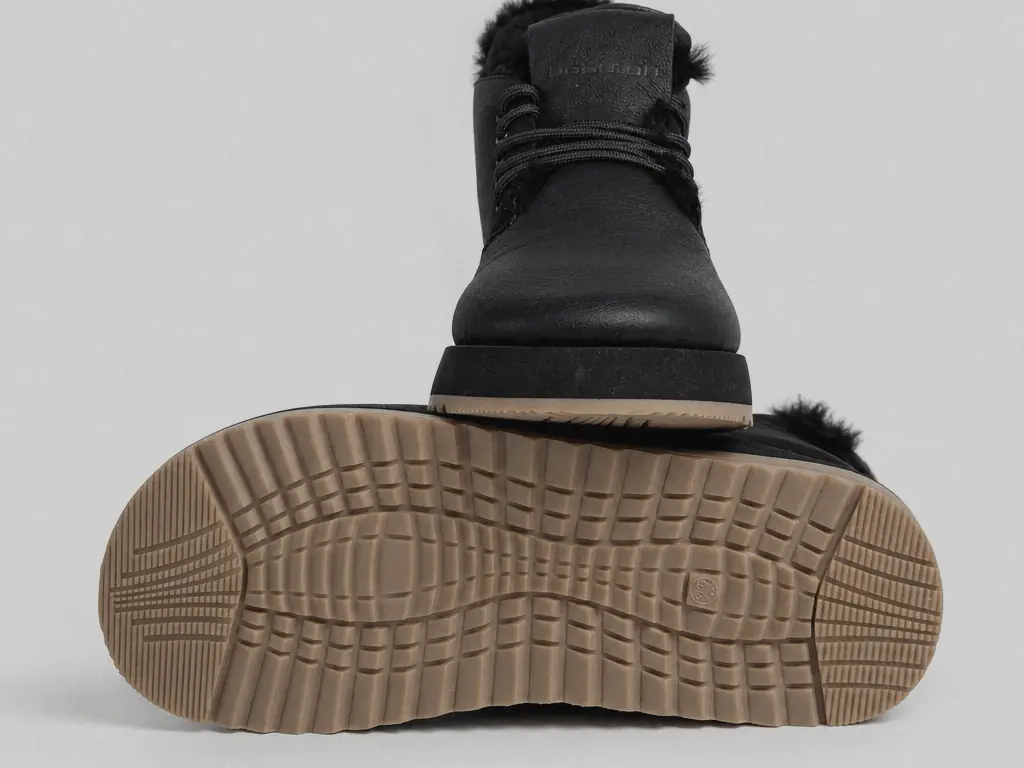
The soles are a different story, and we want to be clear about it. Space and Alen sneakers have flexible, hard-wearing TPE or rubber soles. The Punch boots combine microporous rubber and TPE; Short-31 and Short-34 have a shock-absorbing microporous rubber sole; and the double-face sheepskin Space-D sit on a sole about 3.5 cm high at mid-foot. These are ordinary everyday soles built for cushioning, grip and, in winter, distance from cold ground, with a low heel-to-toe drop; the Space and Alen soles bend with the foot. So Babylon shoes are not barefoot shoes, not zero drop and not minimalist.
Who might prefer which?
This is about preference and use, not about treating anything. If you have foot pain or a diagnosed condition, talk to a podiatrist before changing your footwear.
- You want to feel the ground. If thin soles, zero drop and maximum flexibility are what you are after, choose a dedicated barefoot brand.
- You want room for your toes but a familiar feel underfoot. A wide toe box on a regular cushioned sole gives the toes space without changing how the shoe feels when you walk. Many people moving away from narrow fashion shoes start here.
- You need warm winter footwear. Barefoot winter boots exist, but most are made for active use. If you want a warm city boot with toe room, look at sheepskin or fur-lined models on an anatomical last.
- You care about the look. Barefoot shoes often have a distinctive rounded shape. Anatomical-last sneakers keep a familiar leather-sneaker silhouette with a slightly rounder toe.
How warm are wide toe box winter boots?
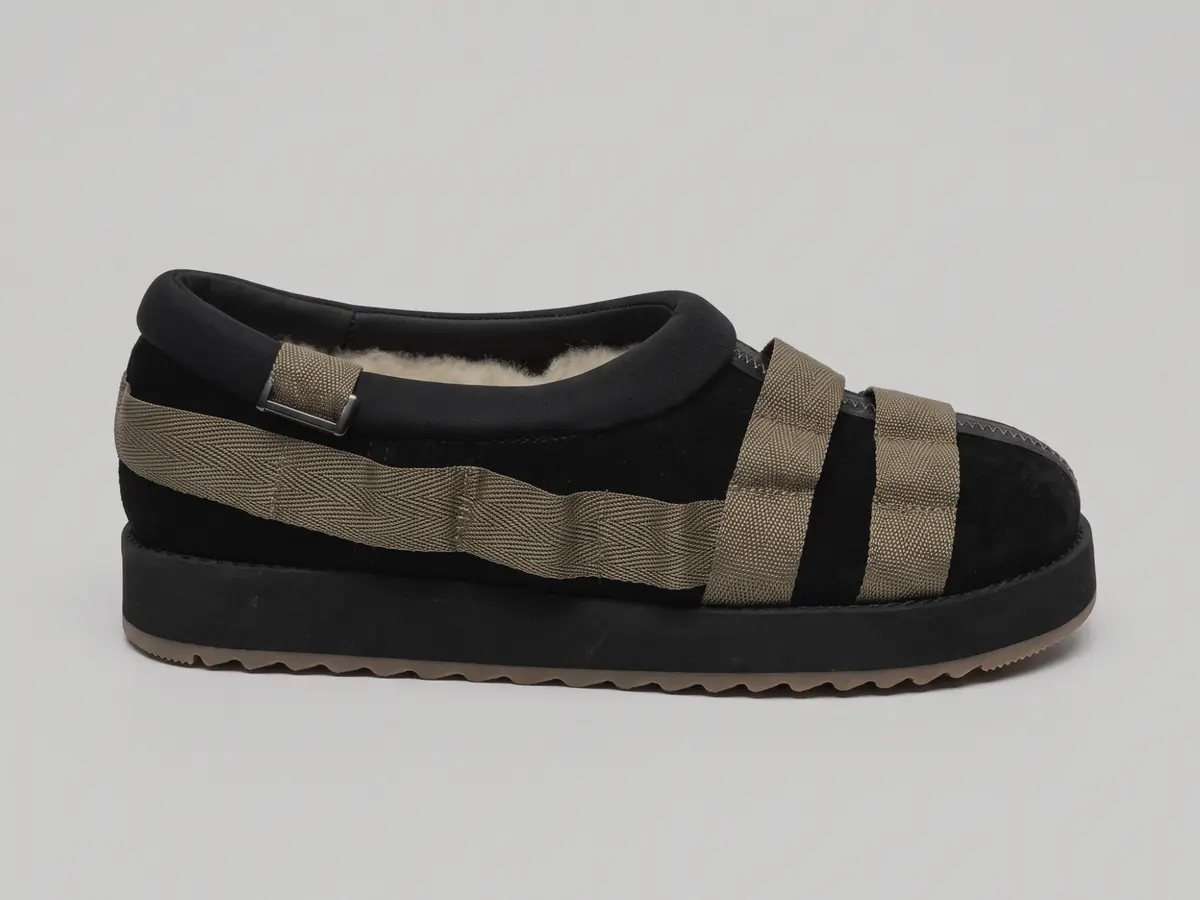
Warmth comes from what is inside and under the foot. Our men's Punch-11 has a nubuck upper and natural fur inside and is rated down to −20 °C on its product page. Short-31 is made of double-face sheepskin: one piece of sheepskin, leather outside and natural wool inside, with no separate lining, on a shock-absorbing microporous rubber sole, comfortable from +5 to −20 °C. The thick sole is part of the warmth — it keeps the foot further from frozen pavement.
More warm models with room at the toes are in our men's sheepskin boots and in the anatomical-last collection.
How can you check a toe box yourself?
You do not need special tools to tell whether a toe box suits you.
- Trace your foot. Stand on a sheet of paper and trace around your foot, then put the shoe's insole or sole on top. If your toes stick out past the outline at the front corners, the toe box is too narrow for you.
- Look from above. A wide toe box is broad and rounded at the front; a narrow one tapers to a point well before the toes end.
- Wiggle your toes. Standing in the pair, you should be able to spread and move your toes without them pressing against the sides.
- Check the little toe. It should not be pushed against the side seam or curl under the next toe.
- Do not fix width with length. Going a size up to get more width only adds room at the end, and the foot slides forward.
How do you choose the right size?
Choose by foot length, not by the number you wear in another brand. Measure your foot in the evening, standing, from the heel to the longest toe — our guide How to measure your foot at home shows the method step by step. Then compare the length with the size chart on the product page: Babylon charts show the recommended foot length, with the allowance already built into the last, so there is no need to size up for a wider foot. EU, UK and US equivalents are in our size guide, and the "Find my size" button on each product page does the comparison for you.
For a deeper look at the last itself, read Anatomical shoe last: what it is and how it feels on the foot.
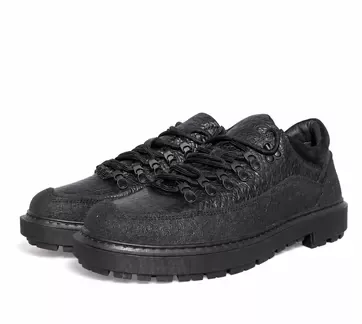
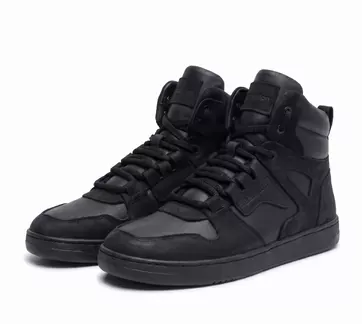
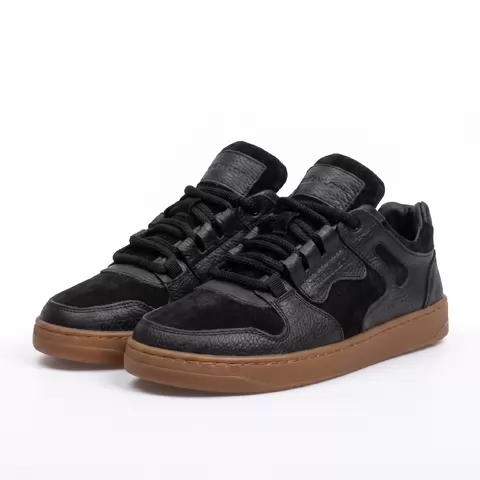 NubuckMen's high-top sneakers in leather and nubuck Space-41Lining: Respira — Italian lining leather; sole: TPE (thermoplastic elastomer); sole attachment: cemented an…€103View
 NubuckMen's sneakers in leather and nubuck Space-24Lining: Respira — Italian lining leather; sole: TPE (thermoplastic elastomer); sole attachment: cemented an…€103View
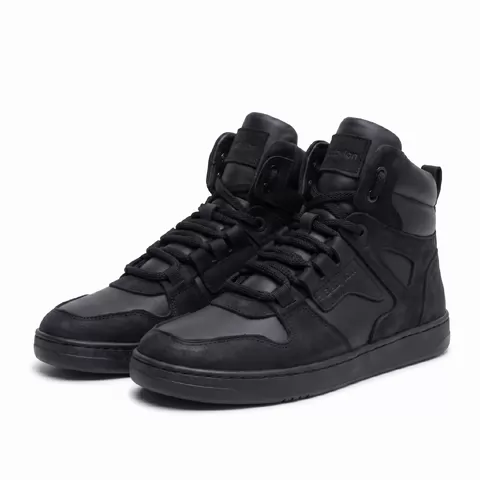 NubuckMen's high-top sneakers in leather and nubuck Space-21-XLining options: Respira — Italian lining leather or fur (same price); sole: rubber; sole attachment: cement…€121View
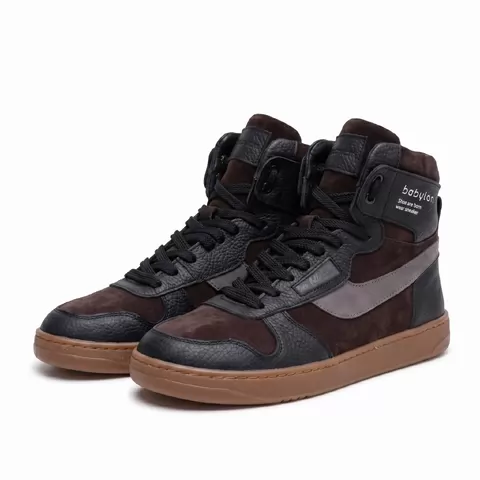 NubuckMen's high-top sneakers in leather and nubuck Alen-14-XLining options: Respira — Italian lining leather or Winterfrost 500 insulation (+€7); sole: flexible; sole…€121View
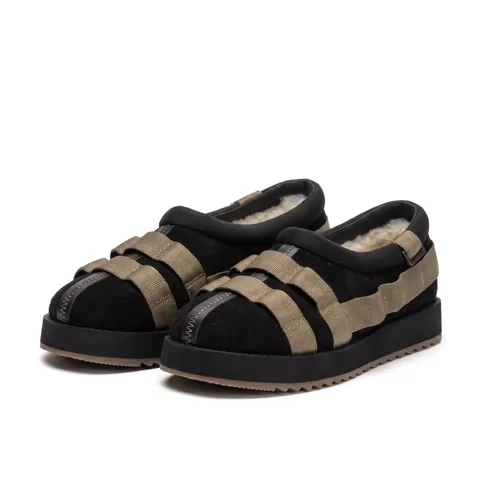 NubuckMen's fur-lined nubuck boots, down to −20 °C Punch-11Trim: textile straps with a buckle; inside: natural fur; sole: microporous rubber + TPE — light and durable€123View
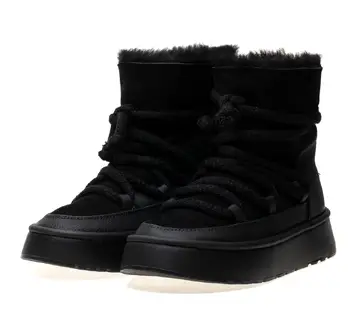
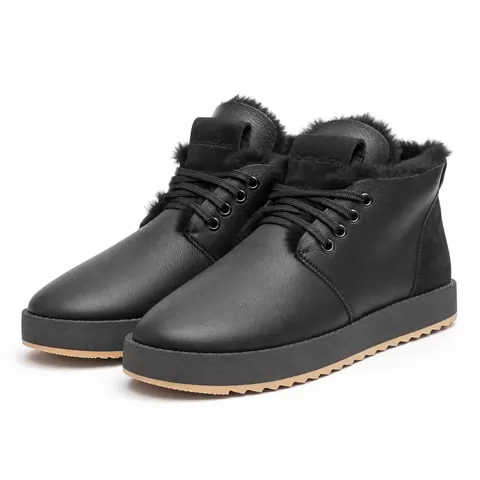 LeatherMen's sheepskin boots, down to −20 °C Short-31Inside: natural sheepskin; temperature range: comfortable from +5 to −20 °C; sole: shock-absorbing micropor…€126View
Why buy factory-direct?
Every Babylon pair is made at our family-owned factory, where we have been making shoes since 1997. Craftsmen assemble each pair by hand on sewing machines and other equipment, and we sell straight from the factory, without distributors. Shipping is free worldwide and takes 5–10 business days to the EU, the UK, Switzerland and Norway, and 7–12 business days to the US and Canada; import duties and VAT, where they apply, are paid by the recipient — see Shipping & duties. You can pay by card, Apple Pay, Google Pay or Klarna via Stripe, and return an unworn pair within 30 days — see International returns.
FAQ
Are Babylon shoes barefoot shoes?
No. Babylon sneakers and boots are made on an anatomical last with a wide toe box, but they have regular cushioned soles of TPE or rubber, and our sheepskin boots have thick insulated soles. Barefoot shoes have a very thin, flexible sole and zero drop; ours are built for everyday cushioning and, in winter, warmth.
Are Babylon shoes zero drop?
No. Our models have a low heel-to-toe drop, not zero drop. Their soles are built for cushioning and grip rather than for ground feel, and some winter models, such as the double-face sheepskin Space-D, have a sole about 3.5 cm high at mid-foot. If you need exact sole measurements for a particular model, ask us before ordering.
Is a wide toe box the same as a wide shoe?
Not exactly. A wide toe box means the front of the shoe is shaped like the toes instead of tapering to a point. A wide-fit shoe is wider overall, including the ball of the foot and sometimes the heel. Many people with wide feet need both; others only need room at the toes. Space and Alen have both: the whole last is wider, not just the toe box.
How do I choose my Babylon size?
Measure your foot length in centimetres and compare it with the size chart on the product page. The chart shows the recommended foot length, with the allowance already built into the last, so you do not need to size up for a wider foot.
Works at Babylon's family-owned factory in Kharkiv, Ukraine. The factory employs 25 craftspeople and 2 technologists; leather and fur come from Spain and Turkey, soles are made to order, and every pair is made by hand. All articles by this author
Sources and notes
 Size & fit
How to lace sneakers: 4 ways for low-top and high-top pairs
How to lace sneakers criss-cross, straight, with a window or a heel lock — step by step, with diagrams. Plus how to lace them so they don’t pinch, how to hide laces and what length you need.
 Size & fit
Anatomical shoe last: what it is and how it feels on the foot
“Anatomical last” appears in the composition of many sneakers and boots, but what does it actually mean? Here is a plain explanation of how such a last fits, who it suits and how to get the size right.
 Size & fit
How to stretch leather shoes and sneakers at home when they feel tight
Leather shoes can be stretched a little in width, but hardly at all in length. Here are the safe methods, the risky hacks, and the cases where exchanging a tight pair makes more sense than stretching it.